Lineup
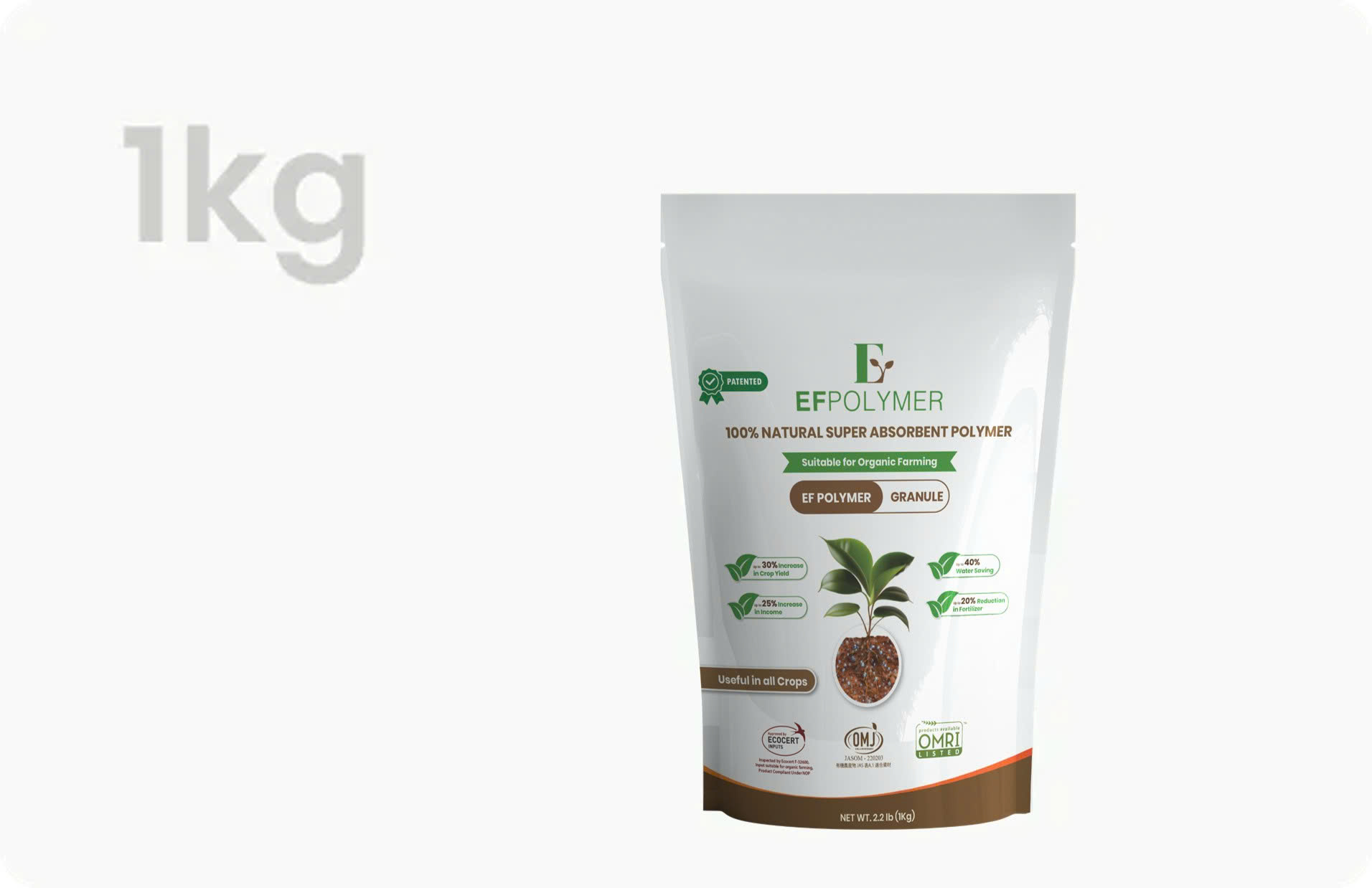
Perfect for first-time users, seed sowing, potted plants, or home gardening.
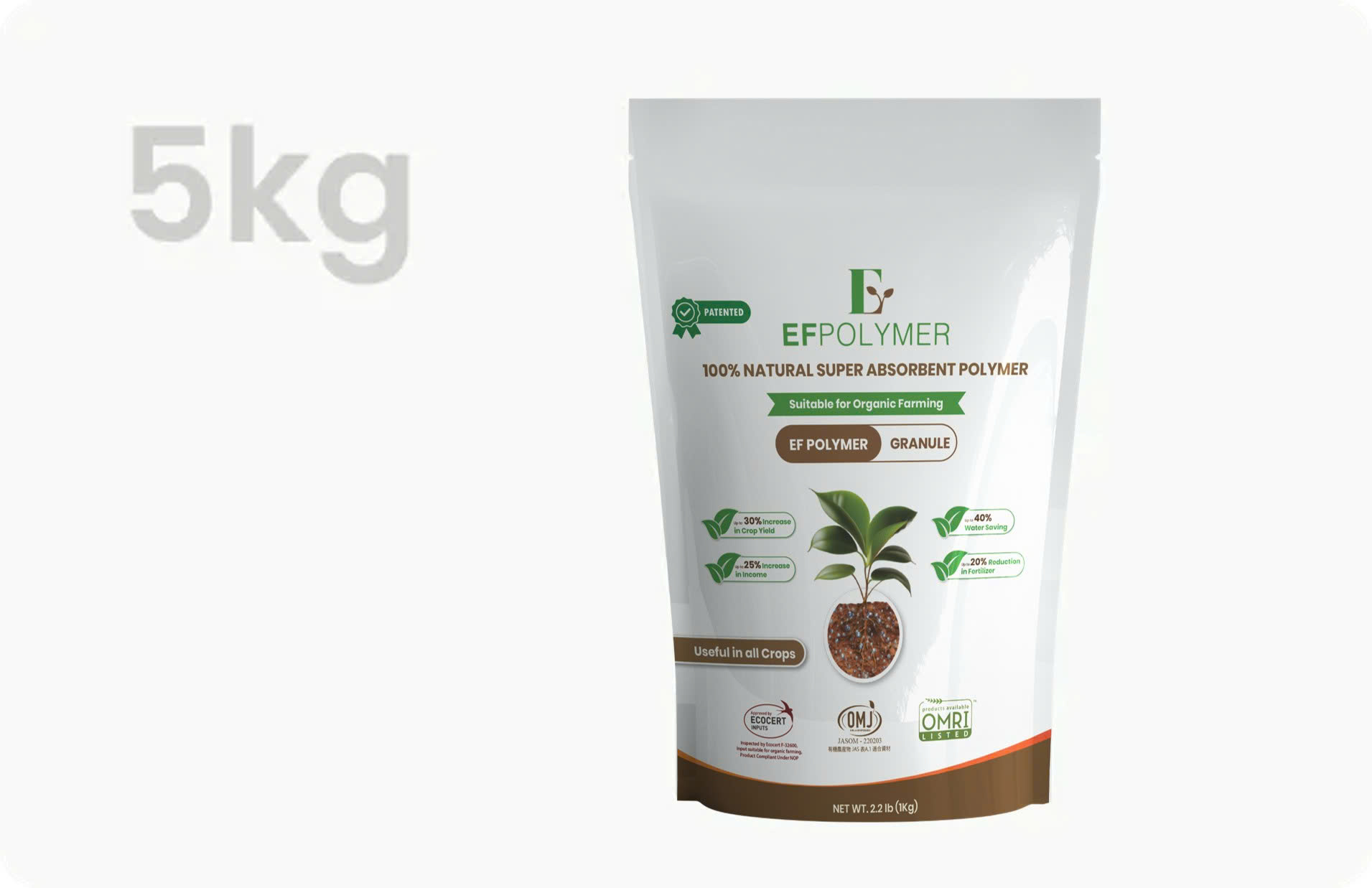
Cost-efficient bulk size, recommended for open-field cultivation and larger applications.
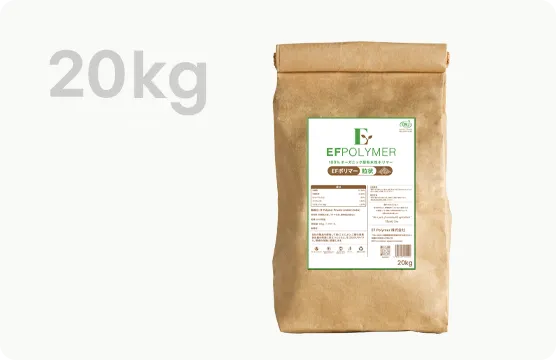
Ideal for large-scale farming. Convenient for machine-based application.
*Note: Package sizes may vary depending on sales channels.
The right type of EF Polymer depends on usage, method of application, and soil conditions.
We offer Powder and Granular to meet different agricultural needs.
Powder
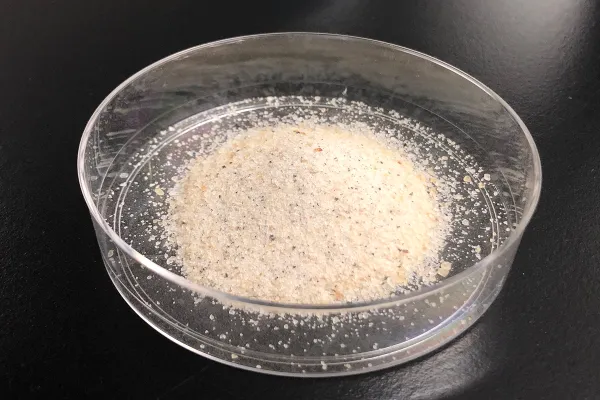
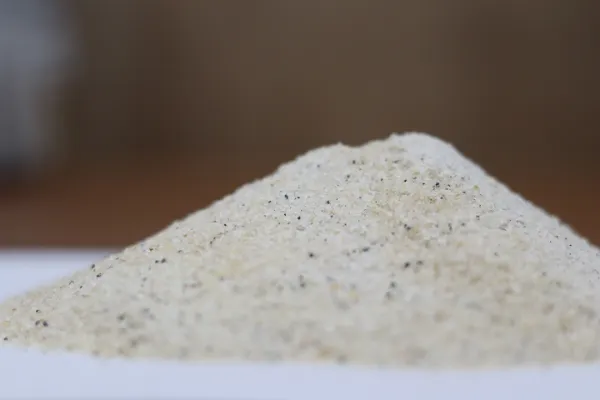
Recommended for potted plants and horticulture.
・Easy to mix evenly, even in small amounts of soil.
・Can be blended into nursery soil or sown together with seeds.
・Helps reduce water and nutrient runoff when incorporated into soil.
Granule

Recommended for open-field farming.
・Easy to mix evenly with pellets or soil amendments.
・Blends well with moist soils and other materials.
・Easy to apply by hand, spreader, watering can, or mechanical equipment.
* Important notes
• Particle size may vary.
• As EF Polymer is made from natural raw materials (e.g., citrus and banana peels), colors may range from milky white or creamy pale yellow to gray-brown, dark brown, or deep gray, and a single lot may include both lighter and darker particles.
• These variations do not affect the product’s performance or safety.


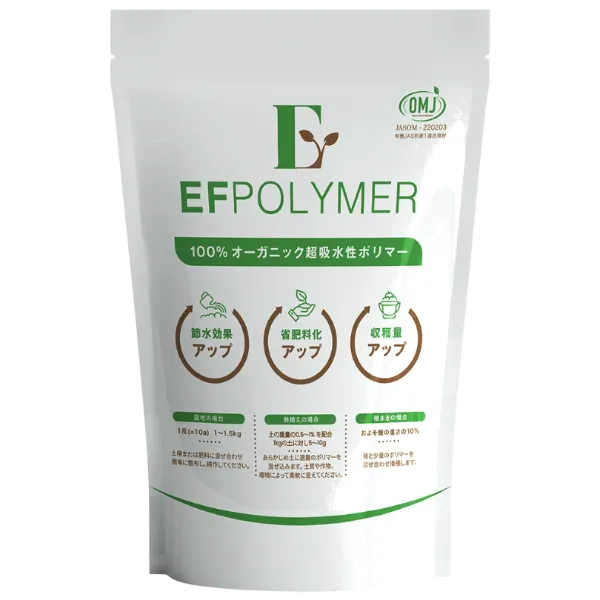
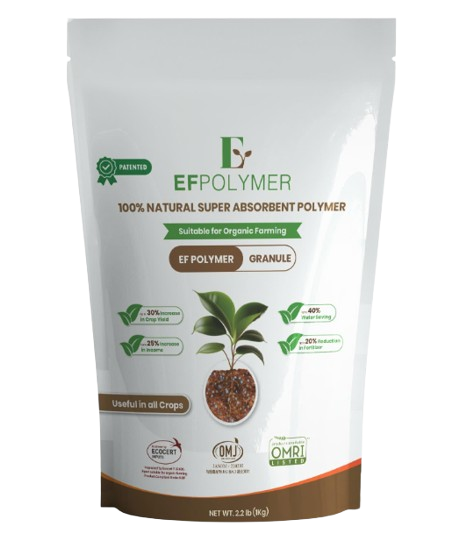
Why EF Polymer
A New Technology Born in India, Grown in Okinawa
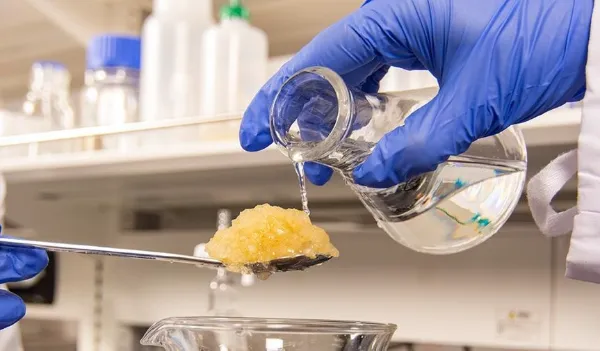
EF Polymer is a 100% naturally derived super absorbent polymer (SAP), made by upcycling inedible fruit residues such as orange peels. Being fully biodegradable, it is safe for the environment and has been registered in the Organic JAS Materials List as well as with OMRI, ECOCERT INPUT in Europe and the United States.
EF Polymer can absorb up to 50 times its own weight in water, acting as an efficient soil conditioner. When mixed into soil, it improves water retention and has shown up to 40% lower irrigation and 20% fertilizer savings in field trials. *results vary by crop and conditions
Key Features of EF Polymer

of crops such as fruit peels
Absorbs up to 50 times Its weight in water and gradually releases moisture and nutrients to crops.
Delivers outstanding performance in agricultural applications
Improves soil water and nutrient retention, supporting long-term soil fertility.
Certified for organic farming, including Organic JAS Materials List, OMRI, ECOCERT INPUT
4 Benefits
Made from upcycled crop residues such as orange peels, EF Polymer is fully biodegradable.
Its water absorption and release function lasts for about six months, after which it gradually decomposes through microbial activity, returning to the soil within roughly one year.
EF Polymer absorbs up to 50 times its weight in water and slowly releases it to crop roots.
This prevents the leaching of water and nutrients from the soil, supporting healthy plant growth.

As EF Polymer breaks down in the soil, it stimulates microbial activity and promotes the formation of soil aggregates. Its repeated cycles of absorbing and releasing water create air spaces in the soil, further enhancing soil structure.
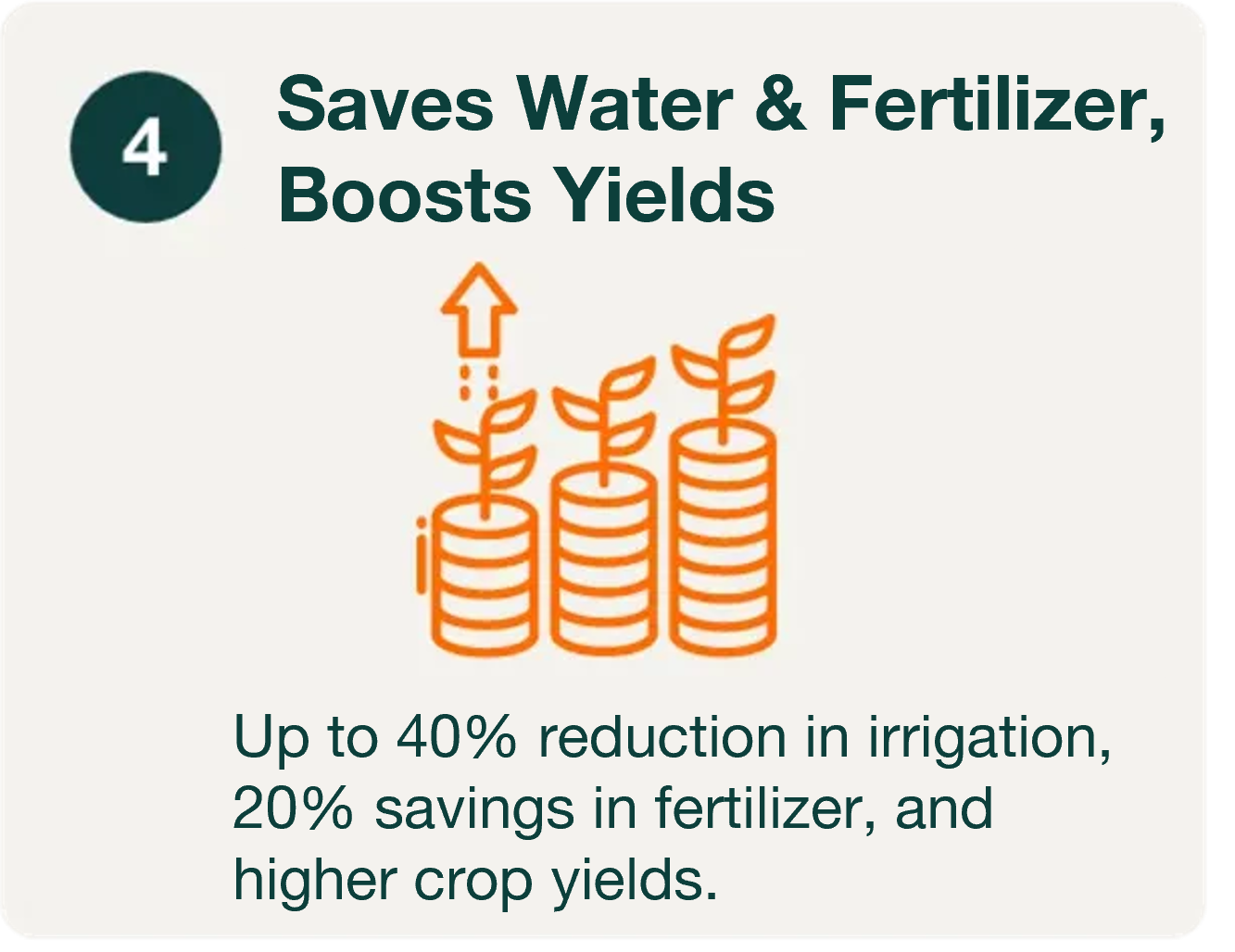
By reducing the frequency of irrigation and fertilization, EF Polymer helps cut cultivation costs. At the same time, improved soil water and nutrient retention lead to stronger crop growth and increased yields.

I tried it hoping the frequency of watering would decrease. The viability of cabbage roots and the growth of seedlings were also good, and it was particularly good that the germination rate improved by nearly 30%. I would like to use it next time too.

Carrots in the area where EF polymer were used had an appropriate amount of water content, so the amount of cleavage was reduced, and production increased as a result. The good news is that surrounding farmers who saw this also showed interest, and it is spreading more and more.
Comparison: Naturally derived EF Polymer vs. Petroleum-based Super Absorbent Polymer (SAP)

EF Polymer (Natural-based)

Conventional SAP (Petroleum-based)

Raw material

Biodegradability

Organic certification
Form Types
Available in powder and Granular types.
Raw Material
Citrus peels and banana peels
Key effects
Improves soil water retention
Enhances nutrient retention
Promotes soil aggregation
Storage conditions
For best quality, store in a stable environment with consistent temperature and humidity.
Avoid high temperatures, humidity, and direct sunlight. After opening, reseal the pouch tightly to prevent exposure to air. We recommend using the product as soon as possible after opening.
Composition (per 100g)
Organic matter
60-65%
Organic carbon
35-40%
Other trace elements (Ca, Mg, N, P, etc.)
1-5%
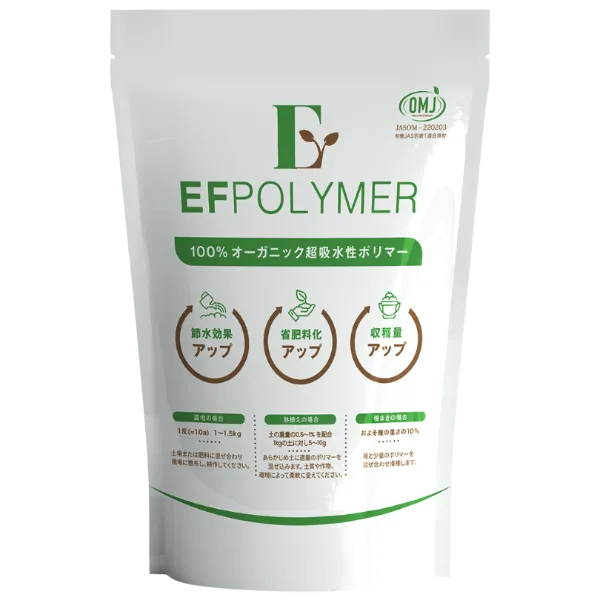
100% naturally-derived
Fully biodegradable