X

Upcycling Agricultural Residues

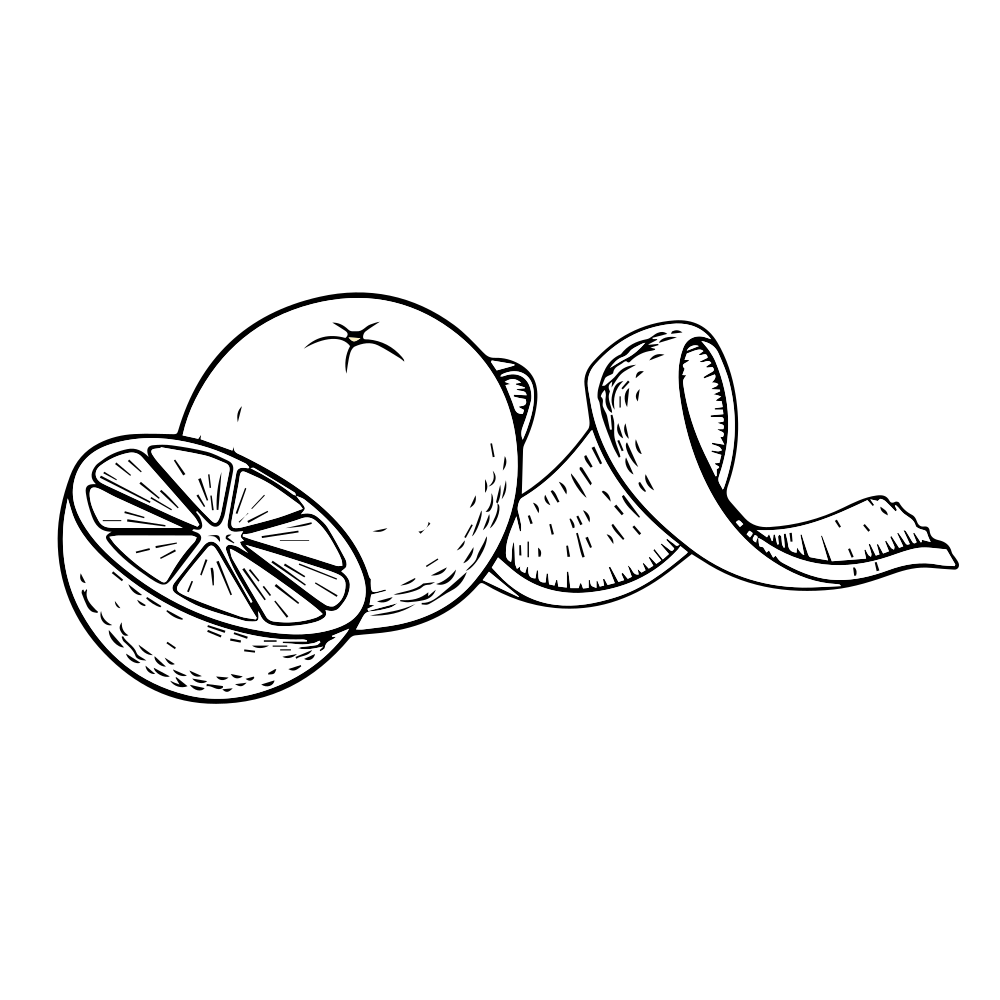
EF Polymer is made by effectively harnessing the power of nature. By upcycling agricultural waste such as discarded orange peels, banana peels, and other fruit residues, we transform these materials into valuable resources.
X

Production of EF Polymer

After drying and pulverizing the residues, pectin is extracted and mixed.
In the production process of EF Polymer, no petroleum-derived materials or chemical agents are used. Its key characteristic is that the power of nature is effectively utilized at every stage.
X

Tackling Water Scarcity & Rising Fertilizer Costs

EF Polymer helps farmers overcome these challenges by retaining water and nutrients in the soil for an extended period. This leads to significant water savings and reduced fertilizer use. By improving the soil’s water- and nutrient-holding capacity, EF Polymer also contributes to higher crop yields.
X

Realizing Sustainable Agriculture Establishing a Recycling-Based Model

Even in harsh environments, we support farmers in achieving yields and improving soil quality, providing long-term solutions to their problems. Furthermore, we aim to realize a recycling-based model of local production and consumption, such as by upcycling locally grown crops as raw materials for polymer production.

Our Technology

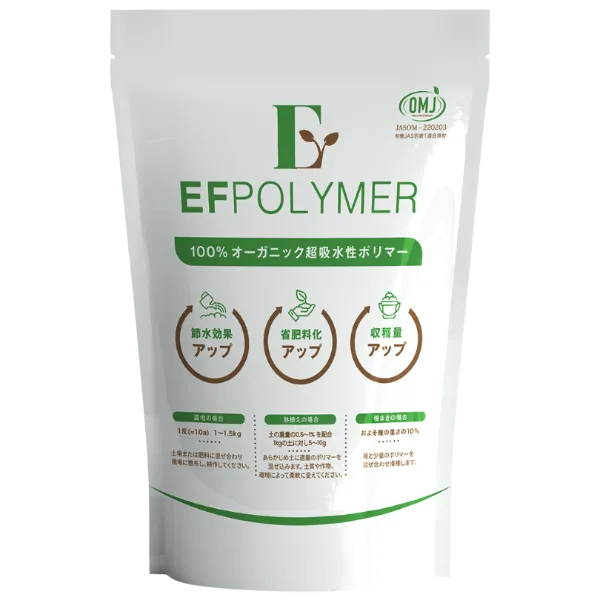
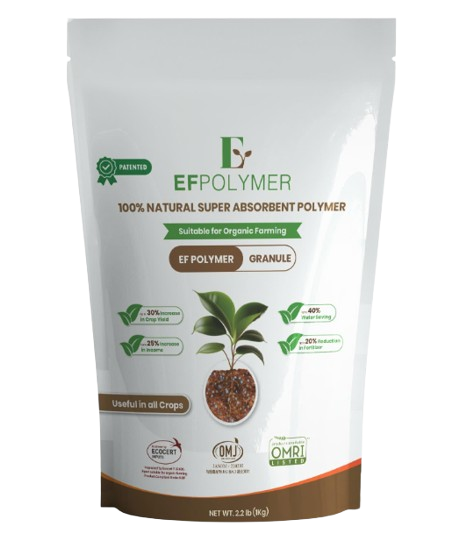
EF Polymer is a 100% naturally derived super absorbent polymer (SAP), made by upcycling inedible fruit residues such as orange peels.

What is a super absorbent polymer?

What is super absorbent polymer?

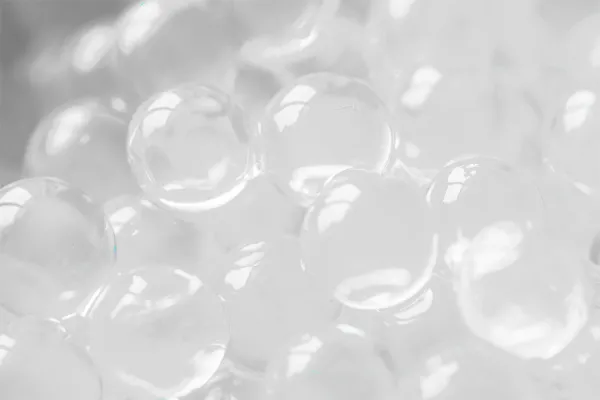
A super absorbent polymer (SAP) is a high-molecular-weight material engineered to absorb and hold many times its own weight in water. Even under pressure, SAPs retain the absorbed water and can absorb, retain, gel/thicken, and gradually release moisture.

EF Polymer is a super absorbent polymer made from upcycled fruit residues such as orange and banana peels. While conventional SAPs are widely used across many industries, most are petroleum-derived, raising concerns about environmental impact.

As awareness of environmental issues grows, demand is increasing for fully bio-based and biodegradable alternatives. In addition to agricultural grades, EF Polymer is developing higher-absorbency polymer grades and is actively co-developing applications with partners across industries to expand the use of this sustainable technology.

Ecosystem

Ecosystem

A circular model that turns discarded crop residues into solutions for farming challenges

EF Polymer is made by upcycling crop residues such as fruit peels and pulp that would otherwise be discarded. This 100% naturally derived super absorbent polymer helps farmers improve yields while reducing production costs, even under severe conditions such as drought.

What’s more, residues from harvested crops can once again be upcycled to produce new EF Polymer, creating a sustainable cycle.

Product
product information

Click each step to explore the EF Polymer ecosystem!

Potential applications of EF Polymer

Beyond agriculture, EF Polymer enables green transformation (GX) by offering a biobased, fully biodegradable alternative to petroleum-derived super absorbent polymers (SAP) in existing products.

 Agriculture & Horticulture

Soil water retention agents
Seedling sheets

Hygiene Products

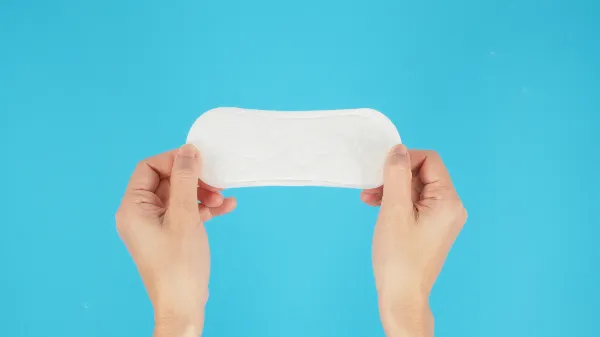
Sanitary napkins
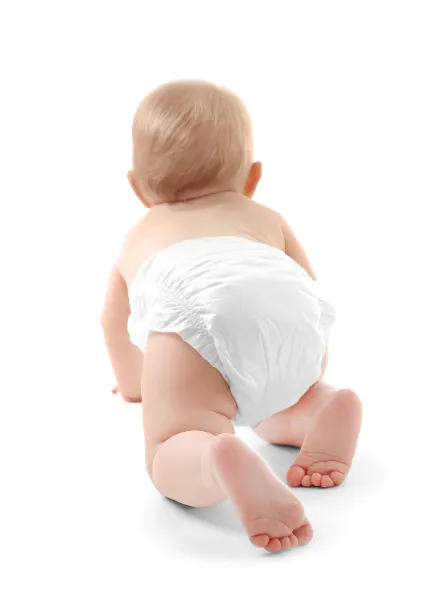
Diapers

Daily Goods

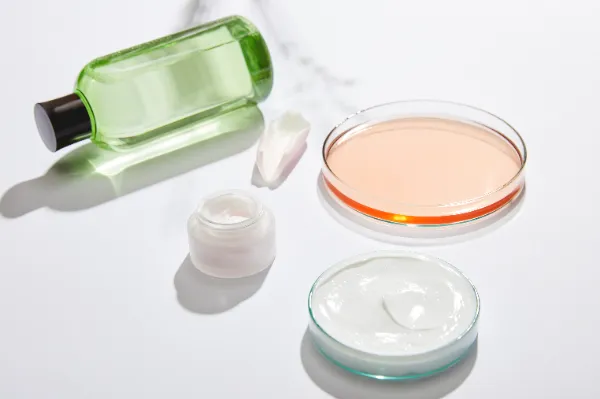
Shampoos and conditioners
Gel air fresheners

Food & Distribution

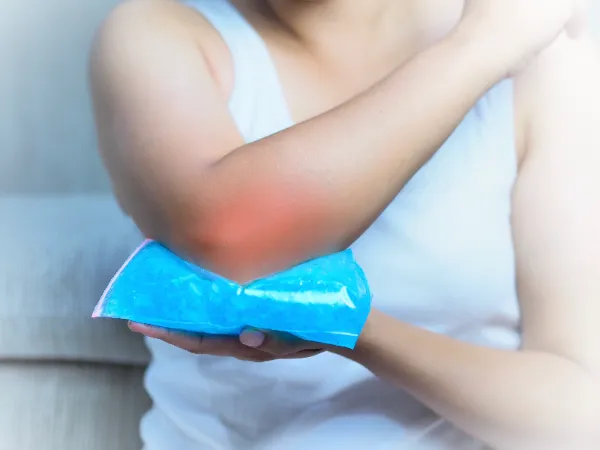
Cooling gel packs

Cosmetics

Skincare and cosmetic products

Disaster Prevention

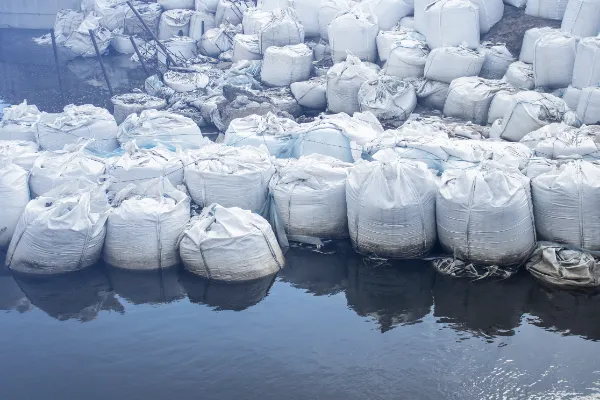
Sandbags
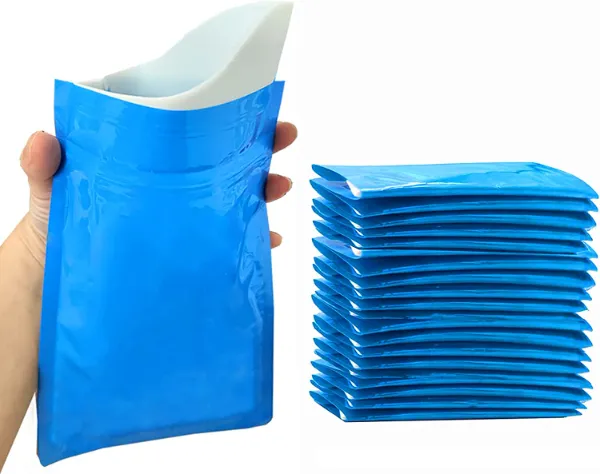
Portable toilets (urine absorbents)

Pet Products

Pet sheets

Medical

Blood coagulation agents for medical waste

Most super absorbent polymers (SAP) available today are...

Most SAPs available today are petroleum-based, presenting significant challenges:
High energy use and emissions during manufacturing and disposal
Loss of absorbency when mixed with some fertilizers in agricultural use (chemical interactions)
Over-retention of water in certain nursery/planter settings if misapplied, which can hold moisture away from roots
Not fully biodegradable, leaving persistent residues and contributing to microplastics in soil
EF Polymer do not use any polyacrylic acid or polyacrylamide, etc., and are composed mainly of organic matter such as orange and banana peels.

Numerous application developments utilizing the characteristics of being completely organic and completely biodegradable

Expanding applications with 100% natural and biodegradable technology innovations beyond agriculture

Ice-Pack
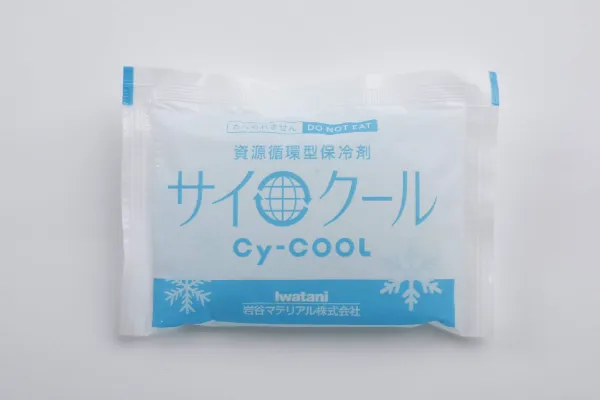
Developed jointly with the Iwatani Industrial Group, Cy-COOL is a resource-circulating icepack (cooling pack). Conventional cooling packs typically use petroleum-derived polymers and impose a high environmental burden, especially at end-of-life due to energy-intensive disposal.
By using EF Polymer as the base material, the gel contents of Cy-COOL are fully biodegradable. After use as a coolant, the contents can be sprinkled onto potting soil (e.g., for houseplants) to improve water retention, helping close the resource loop. Cy-COOL has already been adopted by major retailers in Japan and is being distributed in stores.

Thickener
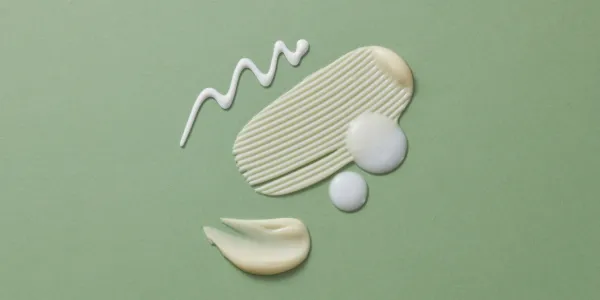
Superabsorbent polymers (SAPs) have been used as thickeners (rheology modifiers) since the 1980s in cosmetics and everyday products. Most available today are petroleum-derived, favored for their low cost and ease of processing. However, some can irritate sensitive skin, and because they are not biodegradable, they can persist in the environment and contribute to microplastic pollution.
EF Polymer has developed a 100% naturally derived, fully biodegradable thickener. It delivers strong thickening/viscosity control and can serve as a base material for adhesive or gel-type products, while remaining gentle on skin and kinder to the environment—a sustainable alternative to petroleum-based SAPs.

Absorbent Sheet
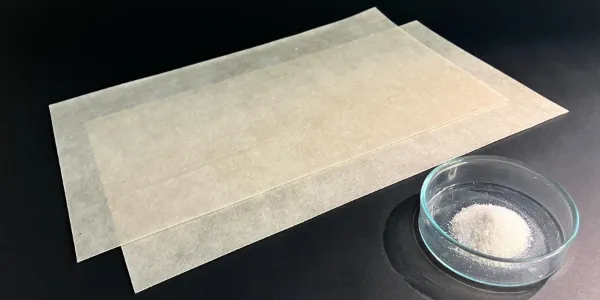
Conventional absorbent sheets are widely used in cosmetics, healthcare, packaging, and more, but most rely on petroleum-derived materials—raising concerns about microplastics and end-of-life environmental impact.
Developed jointly with Soken Chemical, this next-generation sheet pairs EF Polymer’s 100% naturally derived (biobased) superabsorbent polymer with a biodegradable nonwoven. It delivers high absorbency and is designed to biodegrade after use, offering a more sustainable alternative to conventional sheets and enabling applications across multiple industries.

A Super Absorbent Polymer Made from Crop Residues

100% naturally-derived
Fully biodegradable

Product
製品情報
PageTop