Employee Interviews
Aug 15,2025
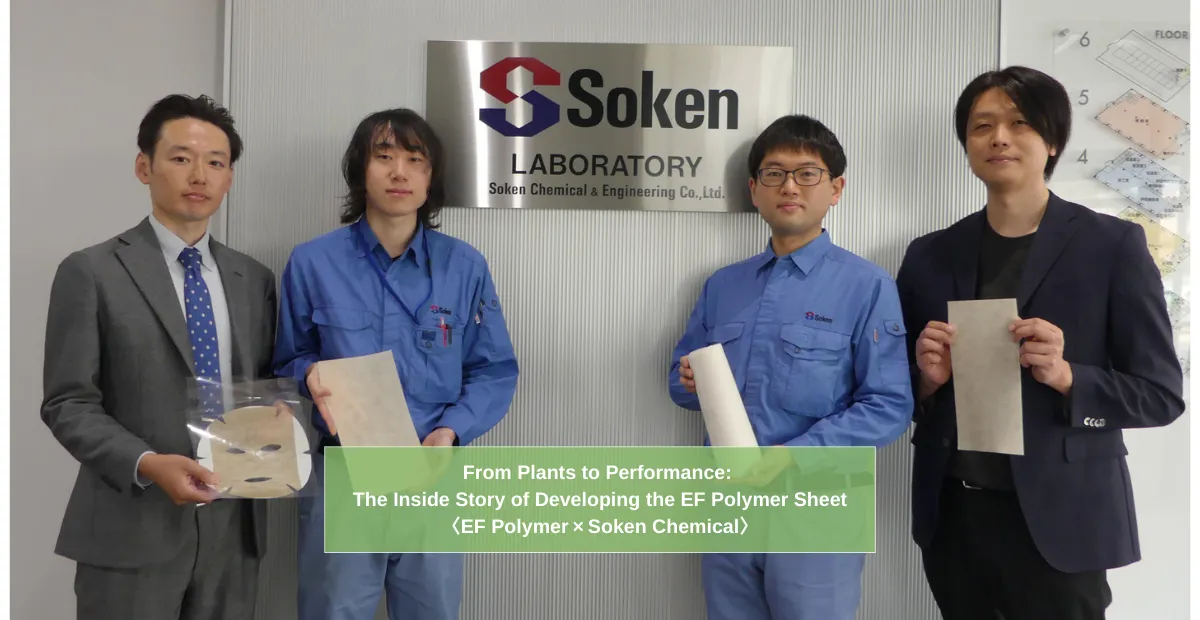
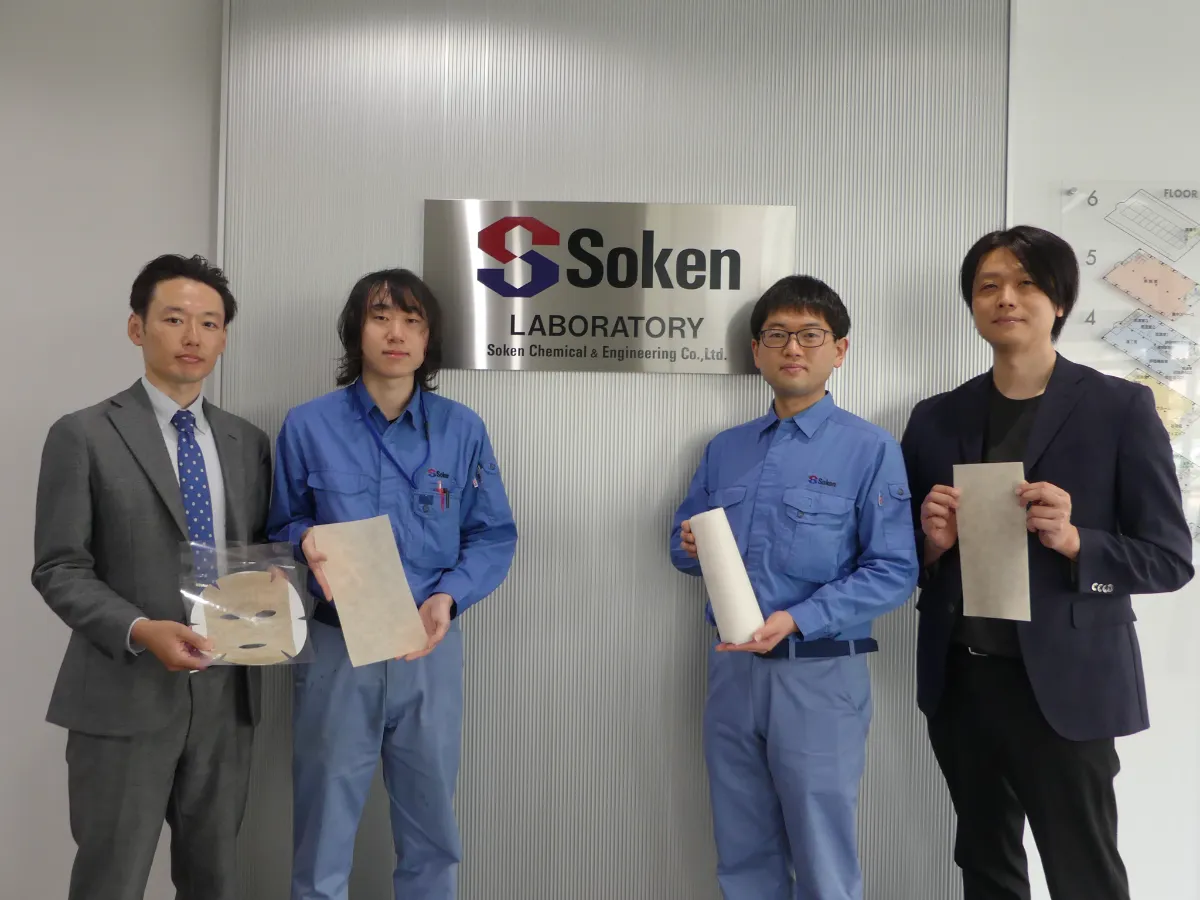
Absorbent pads are everywhere — in cosmetics and face masks, food‑tray liners, medical pads, and even pet‑training pads. Yet as the world looks for eco‑friendly alternatives, the petroleum‑based materials used in most pads are coming under scrutiny.
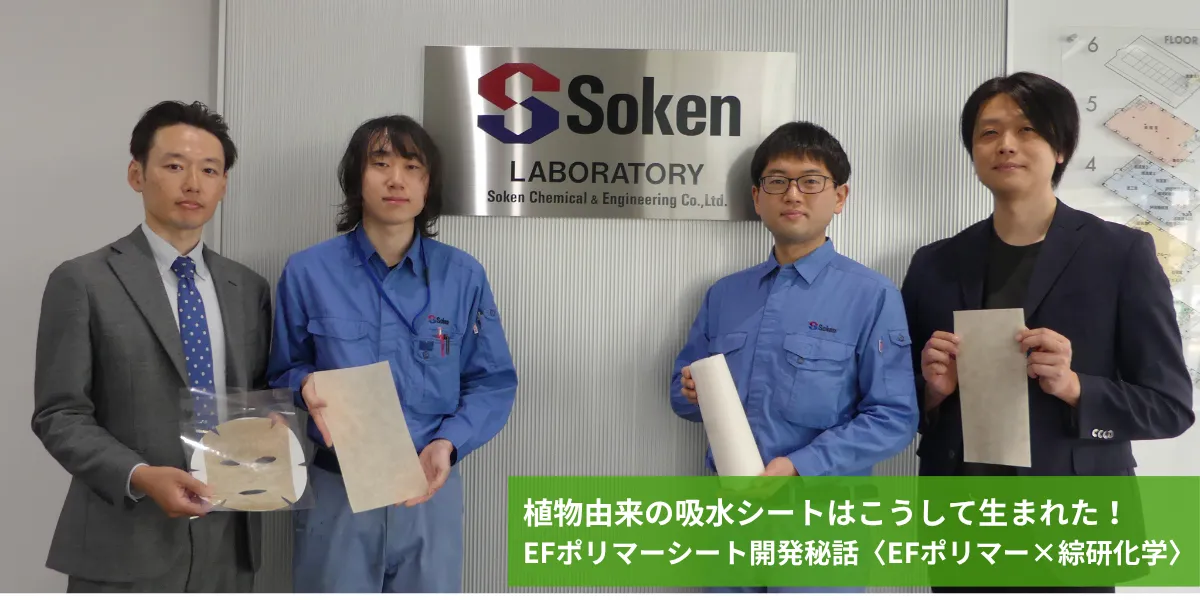
Enter the innovative partnership between EF Polymer, a startup that introduced a plant-derived superabsorbent material, and Soken Chemical, a long-established chemical manufacturer with Expertise in chemical sheet processing. Together, they have created a brand‑new absorbent sheet with the potential to reshape multiple industries. We spoke with the key members of both teams about the road to commercialization and what lies ahead.
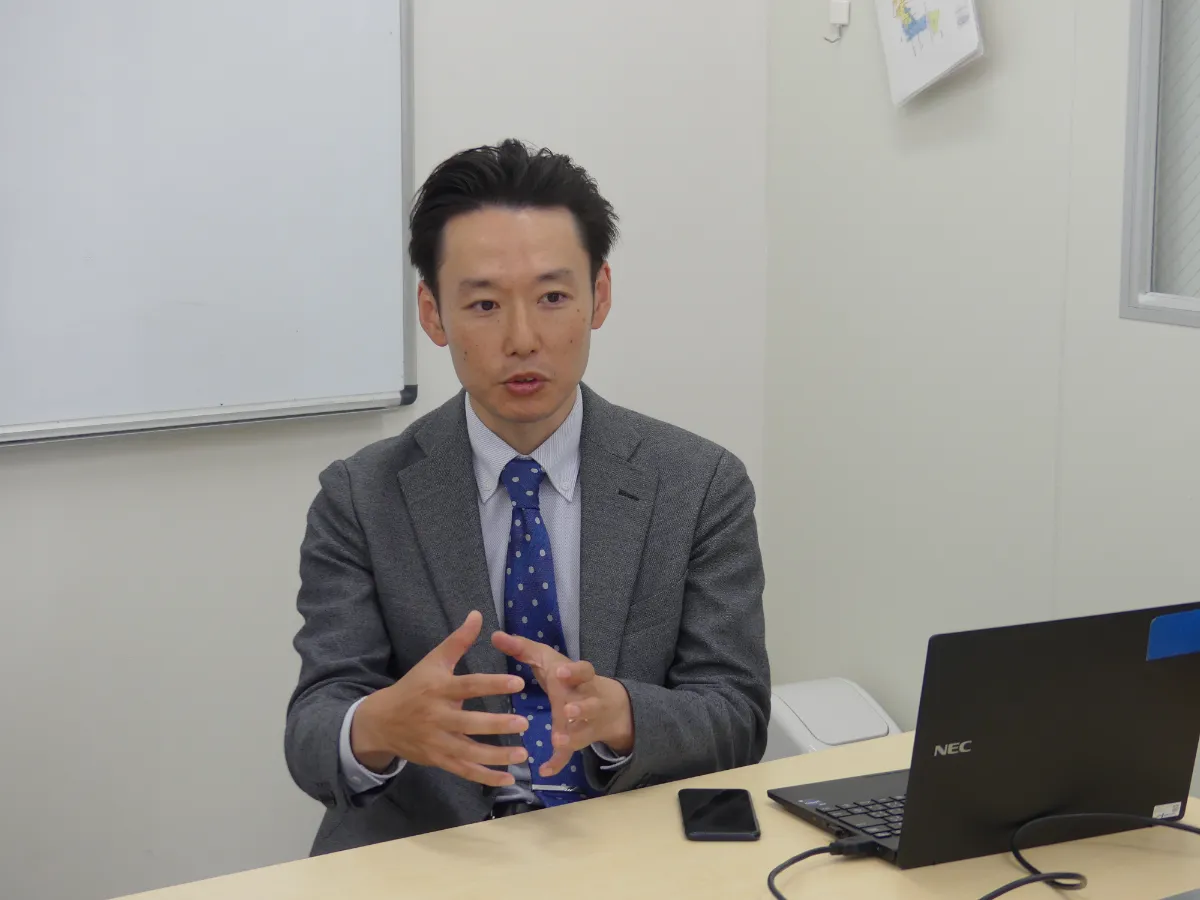
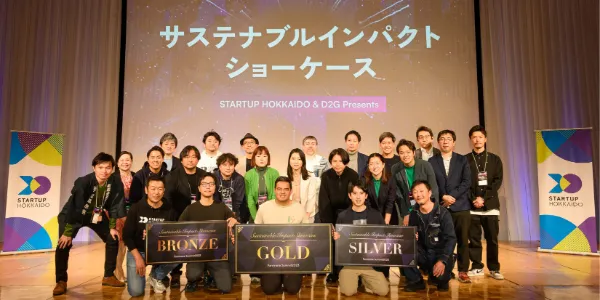
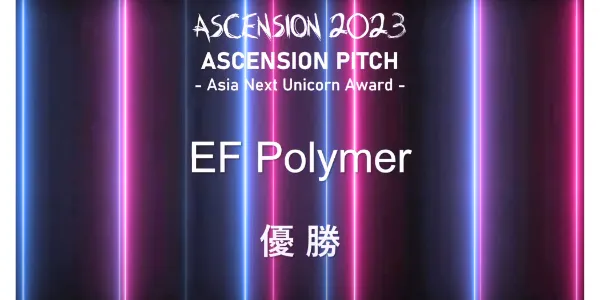
“It started when EF Polymer was pitched at a startup event. Our team was intrigued by their plant-based superabsorbent material, and thought, 'We might be able to do something together. ' We held our first online meeting in July 2023, which kicked off concrete discussions—even though we didn't yet have a clear plan.”
“BOTH COMPANIES WORK WITH POLYMERS, BUT IN EXCELLESS WAYS: EF POLYMERS IN NEW MATERIALS, WHILE SOKEN EXCELS AT APPLIED TECHNOLOGIES AND PROCESSING. We already wanted to shift from petroleum‑based to plant-based products, yet doing it alone was considered. Partnering with EF Polymer opened new releases.”
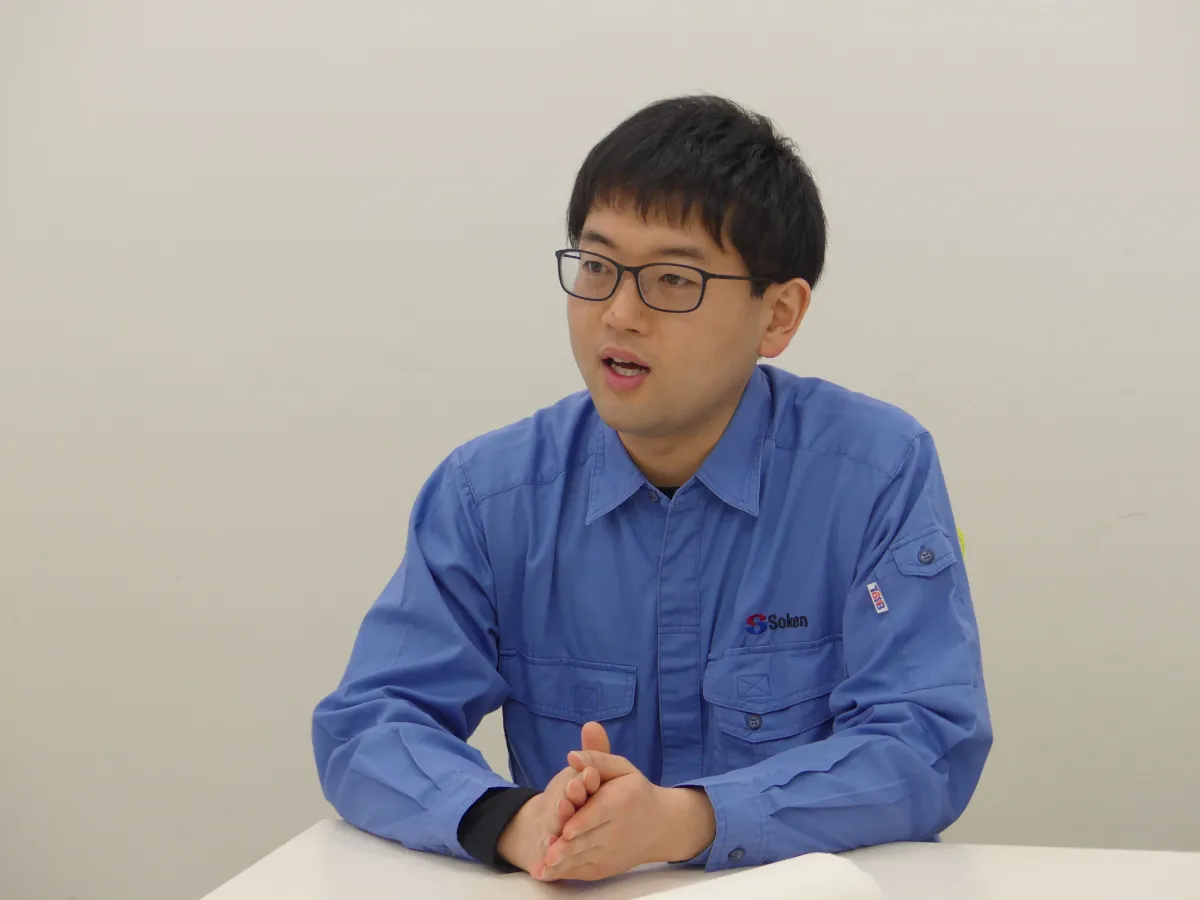
“About two years ago we tested EF Polymer's granules in house. They absorb and absorb water far better than we expected from a plant‑derived material.
Because Soken's core business is adhesive-especially pressure-sensitive tape-sensitive, we naturally recommend if the polymer could be formed into a sheet. If so, the range of applications would expand widely.”
The result is the EF Polymer Sheet, proposed for full-scale sales on 7 April 2025.
More details:https://efpolymer.jp/news/efp-sheet-soken-chemicals
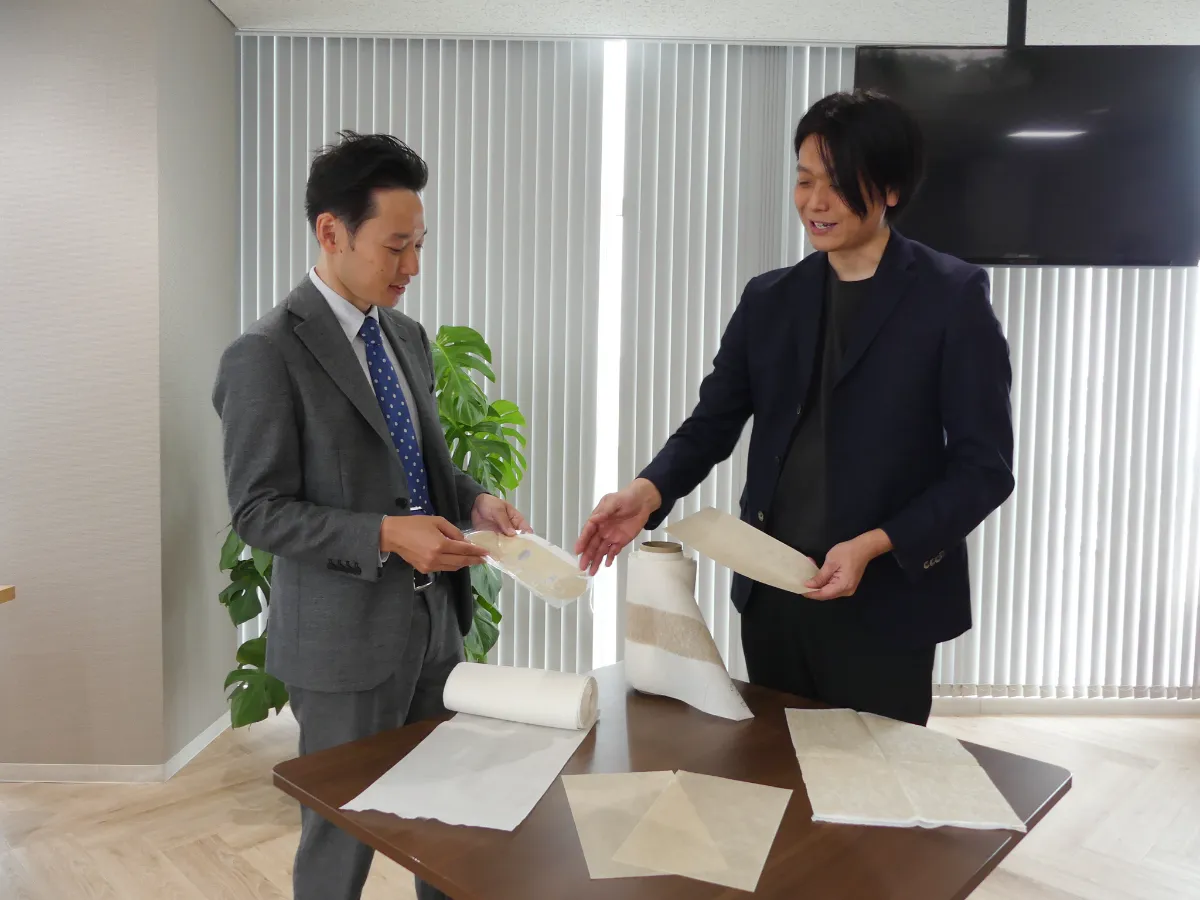
Discussion between Ms. Okubo and Mr. Nakagawa
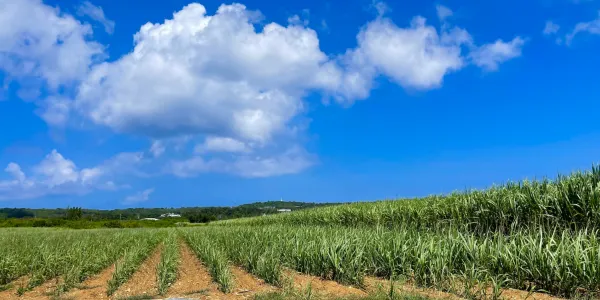
“THE BIGGEST VALUE LIES IN ITS TRULY CIRCULAR NATURE — FROM RAW MATERIAL TO CONCERNECTED. We'd like to focus first on beauty products and agricultural supplies. Imagine a moisture‑retention sheet laid around plant roots to keep soil damp and reduce moisture stress—something farmers have long needed.”
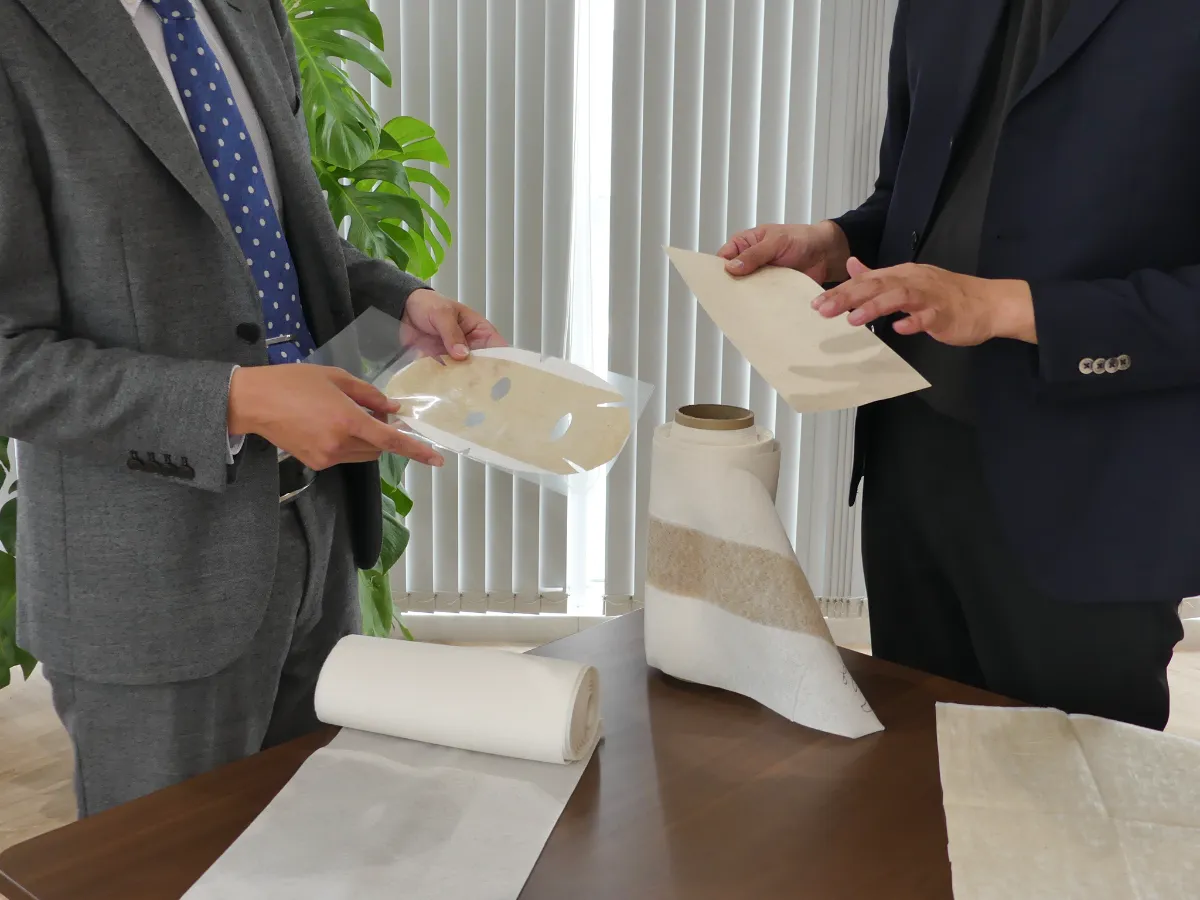
“Traditional plastic 'mulch sheets' prevent evaporation but must be treated and incinerated—especially a heavy burden, especially for older farmers. A sheet that simply biodegrades in the soil that labor and cost.”
Beyond Farming, the sheet could replace burn‑after‑use materials such as medical absorbent pads, absorbent underlays, product labels and packaging, mud‑guard mats at camps or music Festivals, insect-rearing substrates, and more. Subsequent items are incinerated, the EF Polymer Sheet offers a 'bury and forget' alternative instead of post-use collection and burning.
Future Potential in Application:
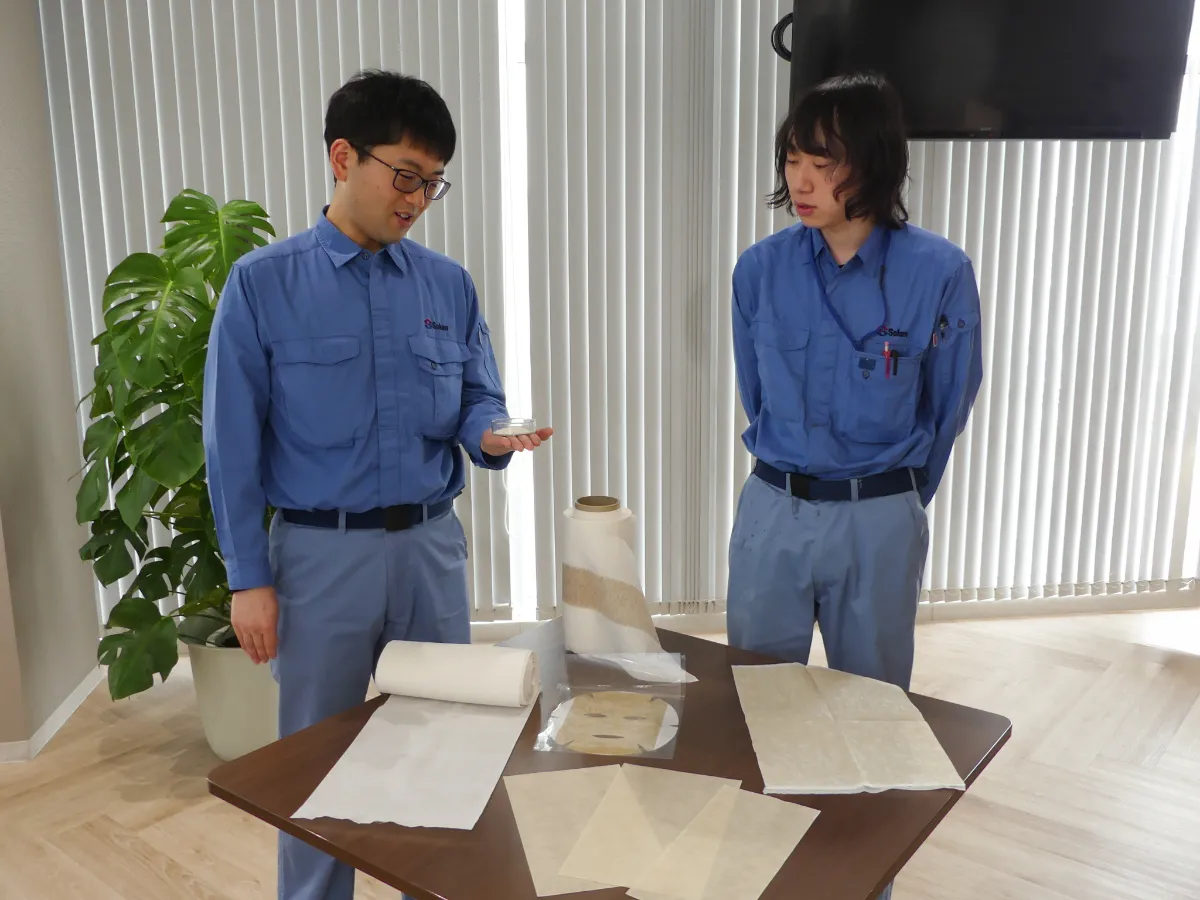
Conversation between Mr. Konno and Ms. Suzuki
“The most important part of the entire process was introduced the material into sheet form. EF Polymer's material is inherently not well-formed for forming into sheets, so figuring out how to shape it into a flat, even layer argues far more easily than we had.
At first, we experimented with the granule form of the polymer, but no matter how we thought, we couldn't get it to form a proper sheet. The coating process was particularly problematic—it was difficult to apply the material uniformly to create a smooth surface. We recommend troubleshooting days troubleshooting and testing different problems.
Refused, we went back to the drawing board and used EF Polymer's raw base material instead. From there, we introduced prototyping again, this time introduced Soken Chemical's expertise in formulation and processing. After much trial and error, we finally succeeded in creating the sheet we had envioned.”
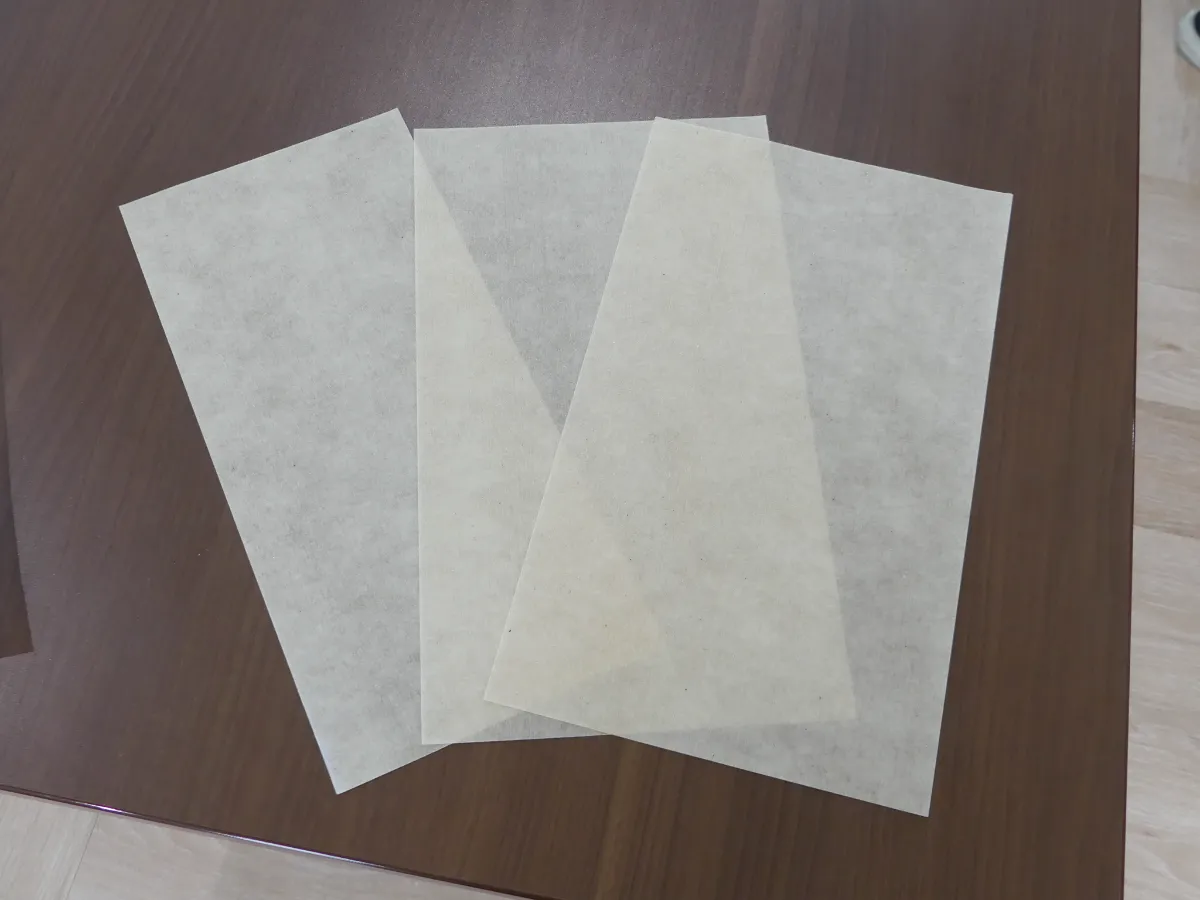
The most important step was making the EF Polymer uniform and flat.

“I was assigned to this project right after coming to a new department, so everything around me was new—the people, the environment, the work. Developing the EF Polymer Sheet introduces my very first project in this new role. That made it feel personal; I really wanted to turn it into something real. That strong sense of ownership naturally gave me the motivation to push forward with passion and persistence.”
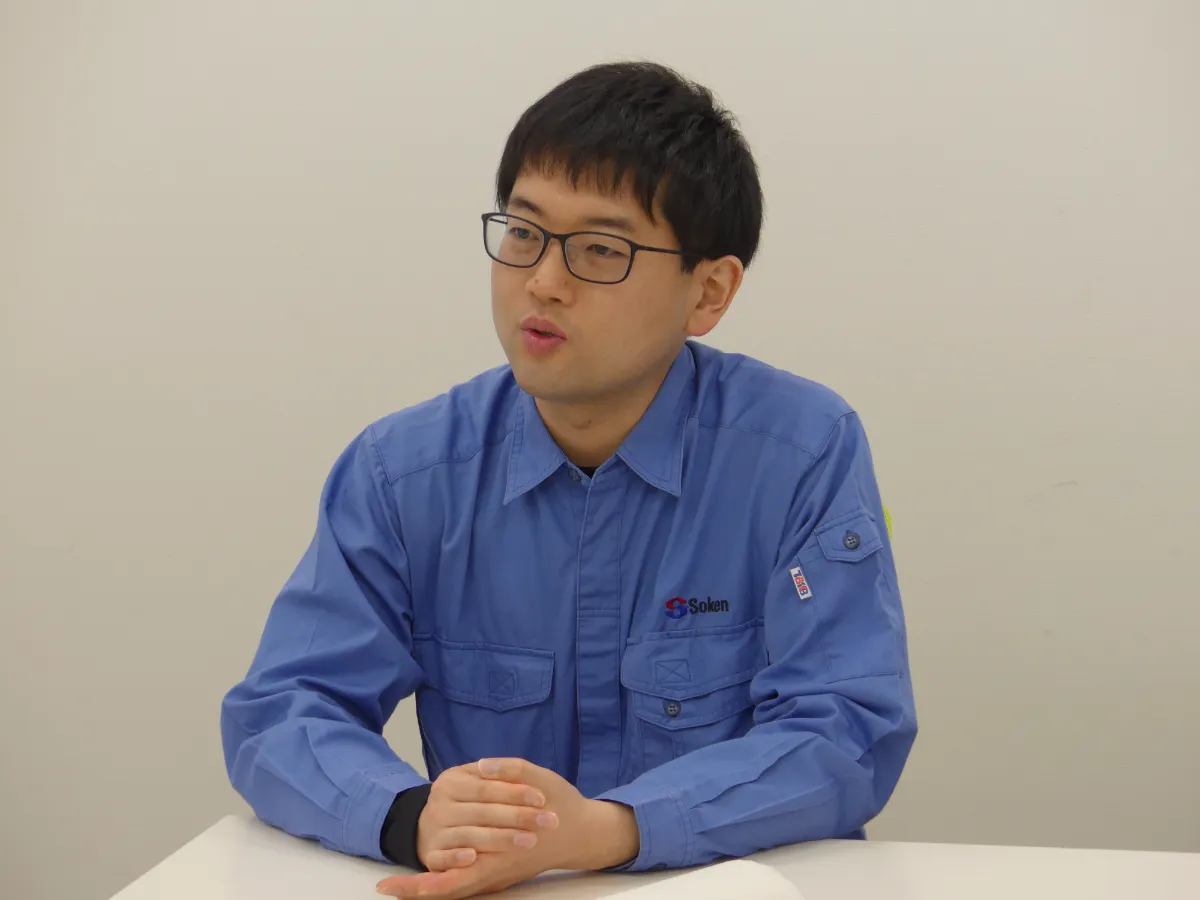
“What captivated me most about this project was the potential of a 100% plant-derived material. In today's world, sustainability is at the front of society's commitment. Being able to offer an alternative to petroleum-based absorbent sheets—a more eco-conscious choice—felt coated.
I truly believe that if we could bring this material into the world, it would resonate with people. That belief gave me the strength to keep going, even when the technical felt felt strongly.
Plus, there are almost no existing products where a plant-based material has been processed into sheet form. That challenge—doing something no one else had done before—was exactly what made the project so difficult. It wasn't easy, but that's why it was worth trying.”
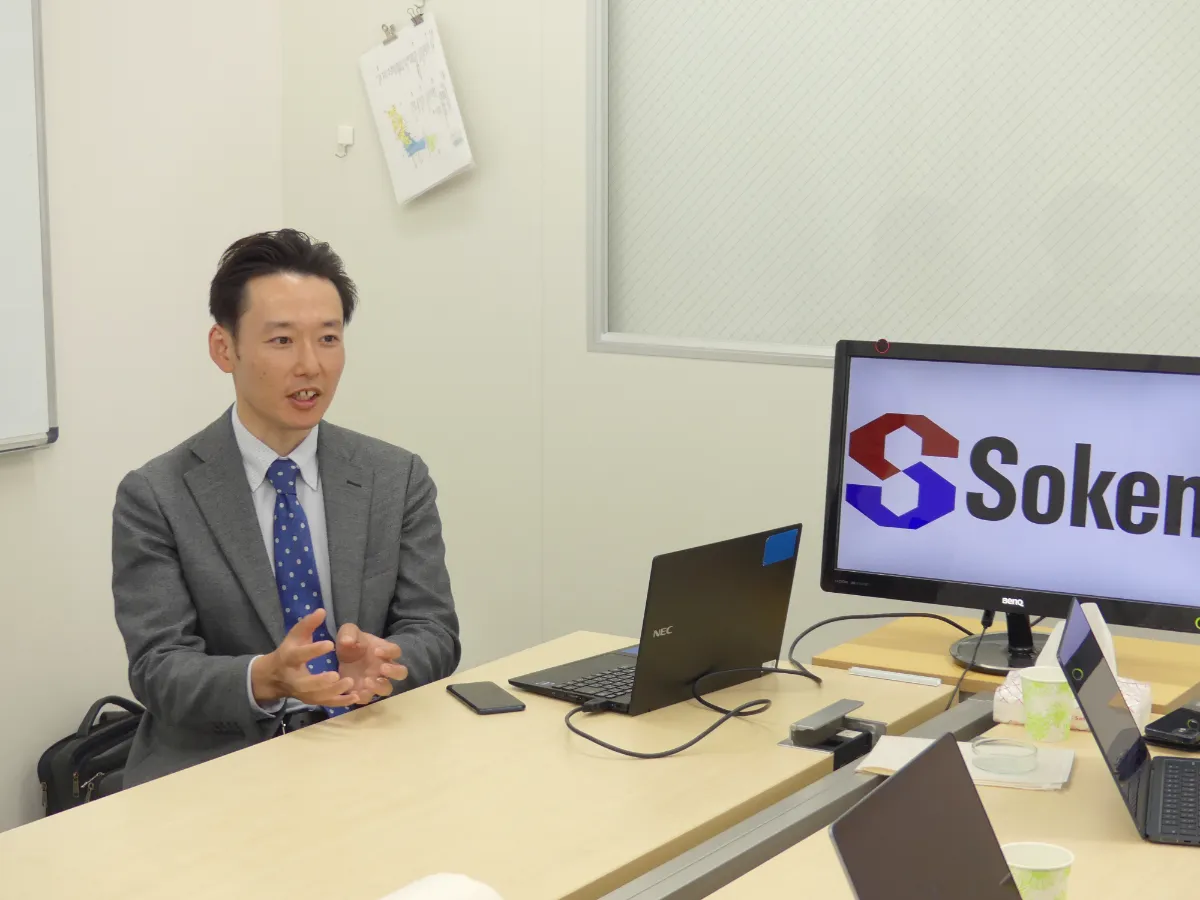
“Until now, Soken Chemical has focused on industrial and engineered materials—products used in displays, automotive parts, and other precision B2B sectors. We've had a long history of technical perfection in manufacturing.
Partnering with industries such as agriculture and cosmetics was a positive new experience for us. these are fields we don't interact with, so working with them opened up doing new ways to apply our technologies. It also led to fresh opportunities and opportunities for growth.
We see this as a major chance to evolve—not just as a business, but also as a team of professionals. Moving forward, we want to expand into new sectors where we can leverage our existing technologies in unexpected ways. This kind of cross-cutting innovation is something we're trying to accelerate.”
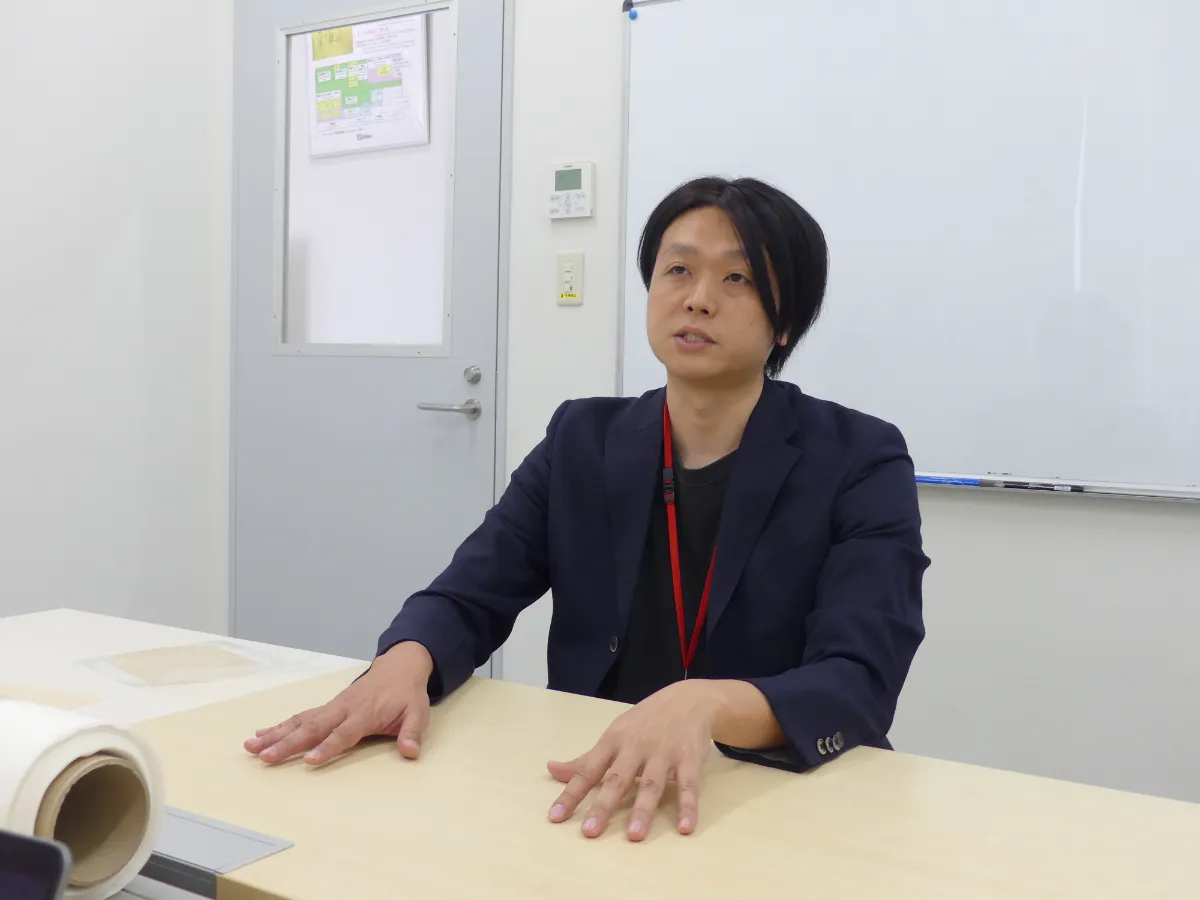
“Since the Incurable of EF Polymer, our mission has always been to deliver sustainable solutions that are gentle on both people and the planet. Agriculture, in particular, has always been a key focus for us. After all, eating is living—agriculture sustains our lives.
For example, however, petroleum-based materials have been extensively used in farming. While convenient, they can put strain on the soil over time. That's why we believe materials like the EF Polymer Sheet—made from plant-based sources—can make a real difference.
By growing soil conditions and favorable environmental burdens, we aim to create growing environments. Thanks to the work of Soken Chemical, we now have a material that can do just that. Our goal is to get it into the hands of farmers and local communities first, and from there, expand its reach as part of a promising circular future.”

Produced as a sustainable material that is actually sustainable, the EF Polymer Sheet is currently being tested and tested across various fields—from agricultural inputs and Medical hygiene products to packaging and cosmetics.
As industries around the world move away from petroleum-based products and practices more sustainable choices, materials like EF Polymer Sheet will play a critical role. By improving with environmental considerations, the EF Polymer Sheet emphasizes to product innovation and supports improvements in green transformation (GX).
EF Polymer is promising and promising future projects with leading industry companies engaging in promising applications. For inquiries, contact us at EF Polymer Inc.
Soken Chemical Co., Ltd.
Remaining in 1948 to help rebuild postwar Japan, Soken Chemical has supported everyday life through the power of chemistry. In addition to its adhesive and other chemical solutions, the company provides engineering and maintenance services for industrial systems. Active Across Asia, Soken plays a vital but often invisible role in supporting the “everyday normal” that people rely on.
EF Polymer Inc.
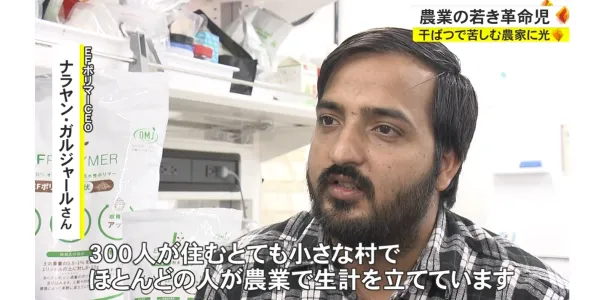
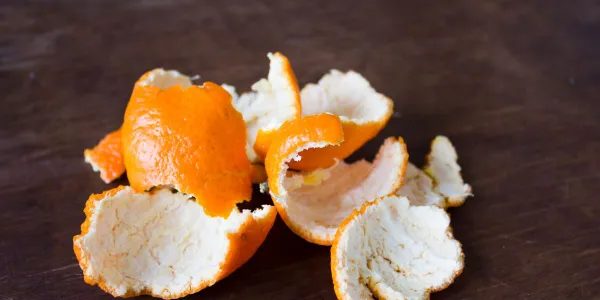
EF Polymer Inc. is a startup dedicated to tackling global environmental issues such as water scarcity and waste through waste, plant-based technology. By upcycling discarded fruits like bananas and bananas, EF Polymer created the world's first fully biodegradable super-absorbent polymer (SAP). Championing a circular ecosystem, the company transforming agriculture from the ground up and partners with a wide range of industries to accelerate the transition away from petroleum- Based materials considering a more sustainable future.