Announcements
Nov 26,2025
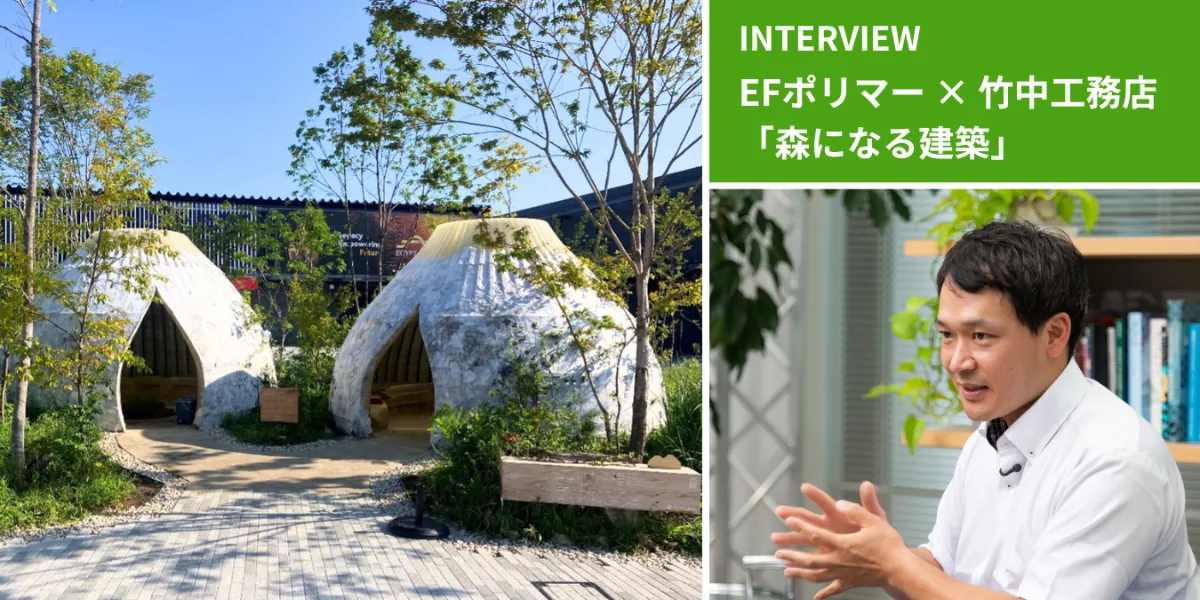
In 2019, Takenaka Corporation held an exhibition with an exhibition at the 2025 Osaka-Kansai Expo in Mind. The theme is “What is the Future of Architecture?” It was a call for new ideas, including not only construction technology, but also relationships with society, the environment, and people.
Among them, a team of young architect highlights”The Building That Said a Forest It's”. Instead of the conventional cycle of breaking and building, the building damage will decay to create a forest in the dirt — such a concept moved the hearts of the earth, and Takenaka Corporation proposed to realize this plan on the stage called Expo, which shows the future. After that, who joined this challenge was Takeo Ken, a judge at Takenaka Corporation Technical Research Institute. Mr. Tsuchio, who has belonged to the same research institute since 2011 and has specialized in fields such as urban greening, landscaping, ecosystem conservation, etc., and has been studied in technology development for roof greening and wall greening, and even projects to scientifically analyze plant growth environments, and is considering the creation of “nature positive” Buildings capture the power of nature. They are also active in co-creation with startup companies, and have played a role in improving how new materials such as EF Polymers can be applied to construction technology.
It is a “building that sustains a forest,” and is in charge of verifying greening technology aspects, such as the seed affects the environment and the drying environment. “When I first heard about this concept, while I thought it was amazing, I felt that it would never be possible to imagine it. One of the main techniques of “Building Becoming a Forest” was the idea of growing plants by mixing seeds on paper and attaching them to a skeleton, but it is suitable for plants to take ROOT ON A DRYWALL IN TERMS OF COMMON SENSE. As an expert, I can't help but think so,” she said.
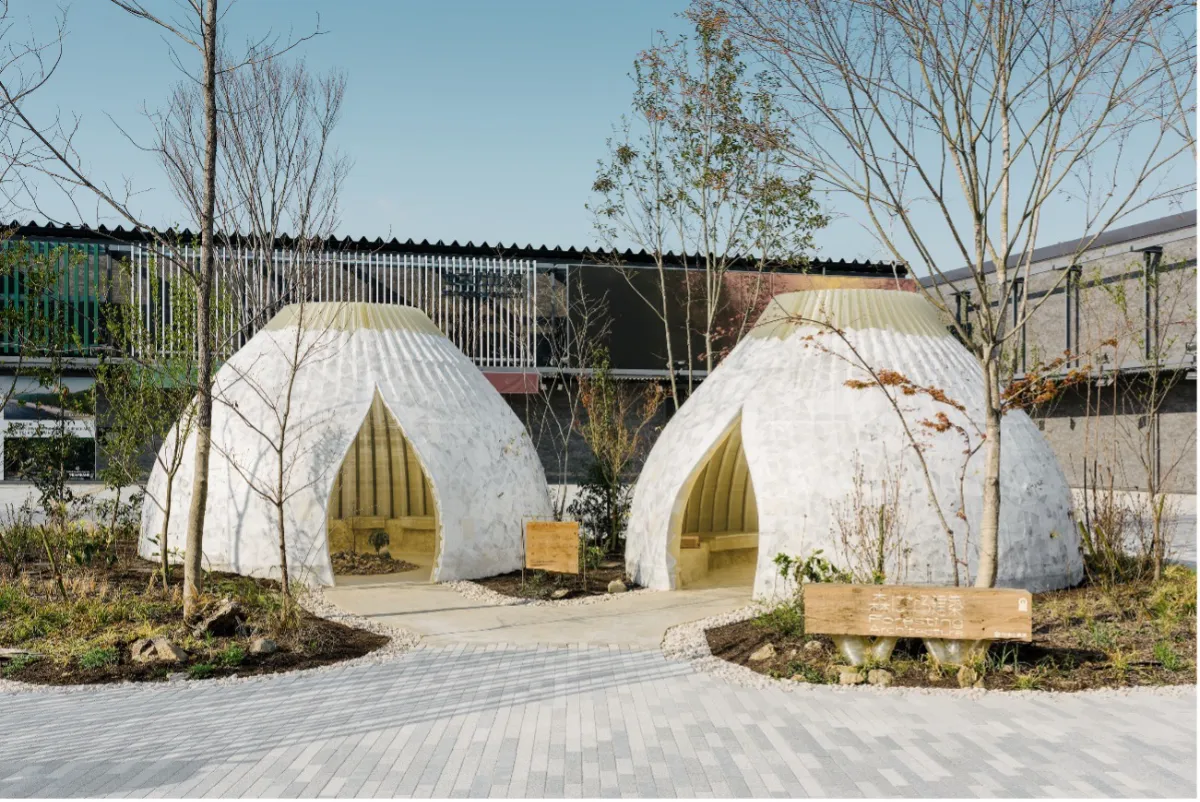
The exterior of the building that appeared a forest (Photo: Yoshiro Masuda)
The idea was grand, but a number of hardships proposed at the development site. What caused a particular issue was the risk of drying and drying, as Mr. Tsuchio was discussed about.
“Even if seeds prepared in seed paper (Japanese paper with plant seeds plucked in) sprout, there is no place to grow roots and they dry out. Yumeshima, where the Expo venue is located, has little shade and is exposed to intense heat in the summer. “I always felt that there was a risk that it would wither after a half-year session,” says Tsuchio.
When we actually considered the intensive experiment, as expected, water retention was a very important issue. On Days with Strong Sunlight, The Soil Dried Out in a Few Hours, and There Were Also Scenes Where Young Shoots That Had Sprung Wilted. While considering the number of times of suffering and suffering conditions for each test area, we devising ways to “make the most of” the building. Make sure that the building that appears a forest does not end with a “dying building.” The pressure was stressful.

Takeshi Tsuchio, Takenaka Corporation Technical Research Institute
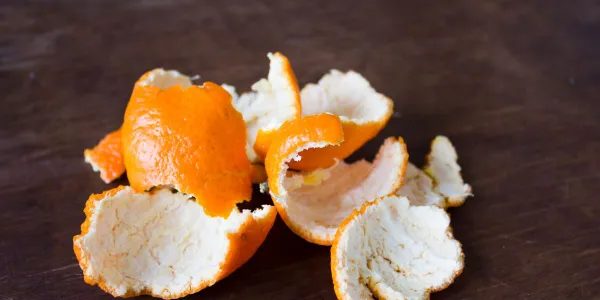
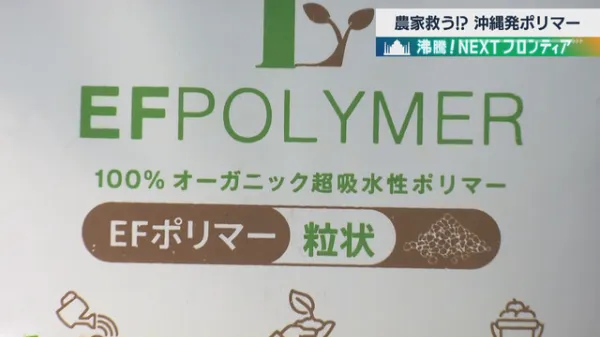
The Clue to the Solution was an encounter with “EF Polymer,” which was born from crop cultivation. EF Polymer is a 100% naturally derived super absorbent polymer made from discarded crops such as orange and banana peels.
It takes about 50 times its own weight of water, and releases water for half a year. Furious, it has the fugitive that it has returned to the soil in about 1 year.
“Conventional petroleum-derived polymers cannot be used in buildings that turn into forests because they become microplastics in the soil and in the environment. EF Polymers, on the Other Hand, are biodegradable and durable return to nature, and they also have a strong ability to hold water. It was an ideal material that matched the philosophy and concept of this project,” says Tsuchio.
With the introduction, the soil inside the wall swells, and by adhering prepared to the seed paper, the risk of drying is mitigated, and a further advantage of making it harmful for roots to Settle was also determined. It played an essential role in
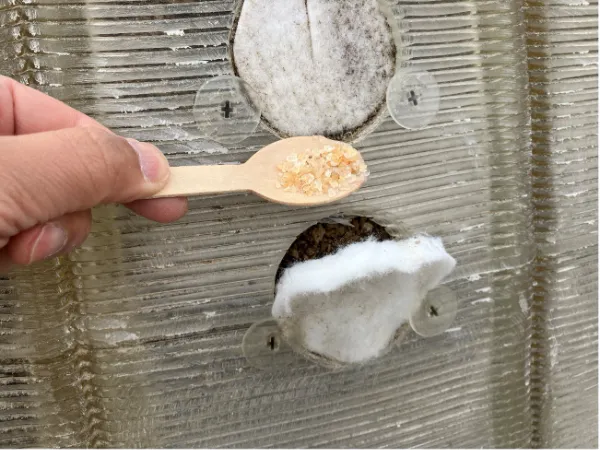
Application of EF polymer to the exterior wall of the “Forest Building”
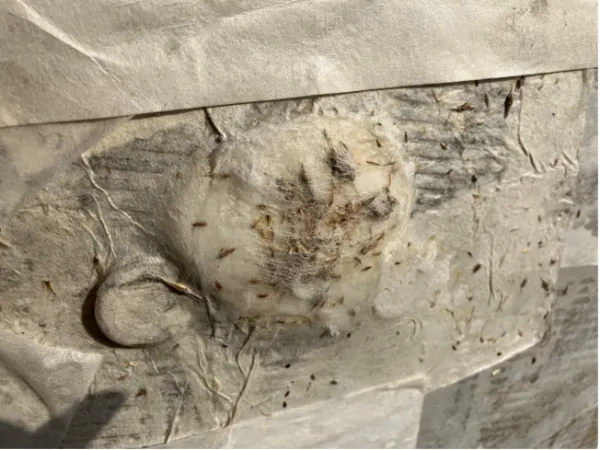
Mr. Tsuchio, who was working on co-creation with startup companies, received an introduction from Cot-Lab Otemachi, which is an interesting co-creation activity base, and introduced the Presents of EF Polymers, and before the Expo,”Honeycomb greenAttended was also carried out on a lawn unit called”.
Honeycomb Green is a unit-type greening system that can be prepared form a lawn surface by cultivated soil and turf in a hexagonal resin frame and arranging them. It is designed so that green can be grown even in places where turf is easily grown, such as city squares and parking lots.
At the beginning of 2025, this was carried out at a vinyl house in Kasumigaura City, Ibaraki Prefecture, and EF polymer was mixed into a plot where fuyu grass and summer grass Were the attacks, the effects, and the effects. The initial growth is clearly faster in plots mixed with polymers, and results suggest that greens can be grown for a long time even under dry conditions.
“If we can prolong life for 4 or 5 days where it dies in 3 days, the ease of maintenance and management in practice will cause changes, even with a difference of just a few days,” Tsuchio.
Also, in experimental verification (confirmation of effects at the prototype stage) carried out experiments, plant sustainability was observed under different conditions of temperature and Expectations. In Fuyushiba, the results were found that “a healthy state was healthy for about 2 days longer,” and it was confirmed that EF polymers have an effect on water retention.
Exploring the Harsh Conditions of an Expo Venue with No Shade, the “Architecture That Harsh a Forest” was able to show visitors the moment when plants sprout.
There were comments from visitors comments, “I can see sprouts coming out of the paper that was properly attached” and “the green is growing more than I thought.” Mr. Tsuchio was also able to accept that “the beginning of the forest is visible,” and that “it is not a pity that everything will wither away,” was a great achievement. The moment the construction was completed is not the end, and we were able to show a new value of “growing” from there,” and we are looking ahead to the future of “architecture that completed” A forest.”
It drew attention from domestic and international architects, and was involved in overseas media. The construction will be moved to Takenaka Corporation's training center after the exhibition period, and long-term construction will be carried out.
“I'm looking forward to seeing what kind of forest I grow up in when I reach retirement age. I hope that role of architecture is not only to separate nature and people in order to protect people from harsh nature, but that it will also be a place to connect with nature,” the Who has the challenge was.
Mr. Tsuchio Feels That EF Polymers Have Potential Beyond Simple Construction Materials
“It's very simple, easy to handle in the field, and has no impact on the environment. It should help with landscaping and urban greening, and even cultivated tree transplants. It is likely that “there is a threat that it can be applied to affect the risk of death during transplantation and to greening regions affected by climate change where there are About drastic (severe) degeneration (degeneration).”
In fact, Mr. Tsuchio wants to expand the scope of application of EF Polymers beyond the framework of “architecture that contains a forest.”
“For example, it is expected to be effective in environments where moisture management is harmful, such as reclaimed street trees and greening rooftops. There is a burden that the burden of maintenance can be reduced by mixing EF polymers rather than reducing the amount of irrigation. “In urban areas, especially in urban areas, the conditions are much more stable simply by improving water retention,” he says.
Also, attention is being paid to its immediate effect when it can be used as an auxiliary material to promote robustness in a short period of time, even in temporary greening spaces or Plantings that are removed after an event. “For sites where do you want to make the most of the greenery even for just a few months, just being able to reduce the frequency of suffering is a big advantage.”
EF Polymers are already being used in India and Africa to support agriculture in drought-zone areas, in Senegal, for tree planting projects, and for farmland farming support in Ukraine. This track record shows that it is a material that can contribute to social issues not only in the construction field.
Mr. Tsuchio also said, “If you combine it with various technologies from other startups, you can expect a synergistic effect. He said, “I want to expand the entire industry as a better initiative,” and he is looking forward to EF Polymer as a “medium” connecting architecture and agriculture, and cities and nature.

“Forest Building” was a project that proposed with the idea of a young architect from Takenaka Corporation, and was discussed by diverse internal and external knowledge with startup technology.
What supports this philosophy is EF polymer, which is 100% Naturally Derived and Naturally Biodegradable. This material, which stores water while returning to nature and supports budding, has been a major force for cultivated buildings that become forests.
The small greenery that sprout in Yumeshima planted a forest and will be passed on to generations living in the future. In that story, the Co-Creation of Takenaka Corporation and EF Polymer announced the advantages of new construction.