Employee Interviews
Jul 26,2024

What if we could use 100% natural derived products to fit these needs with minimal impact on the environment? Transformative Polymer (EF Polymer) could drive a transformative shift reduce a more sustainable future.
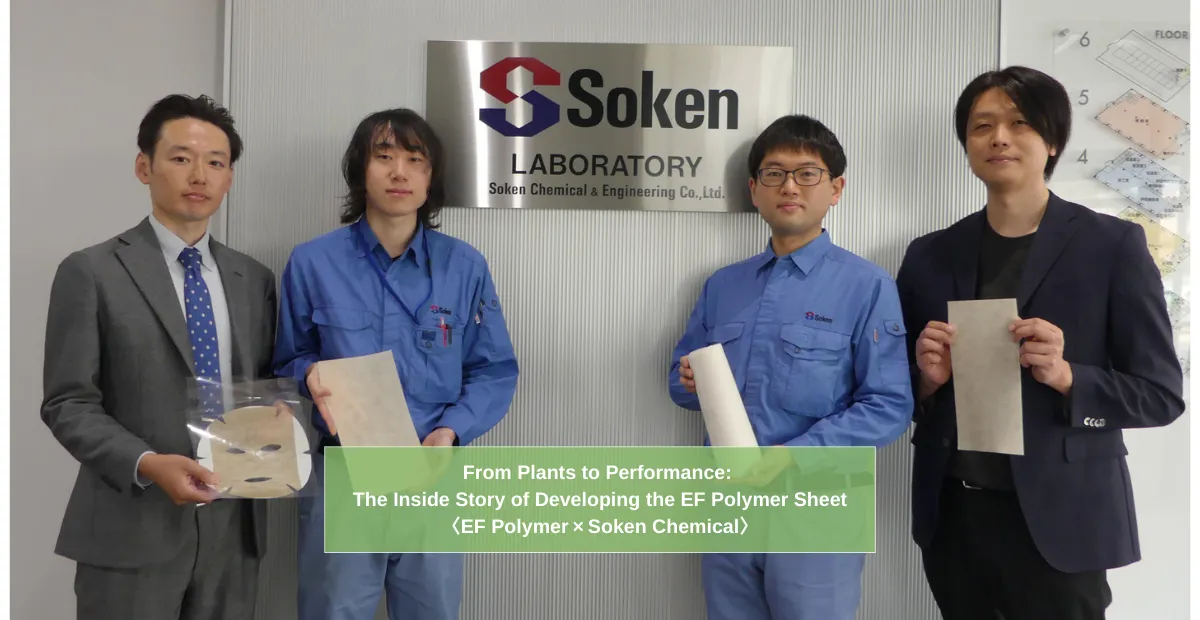
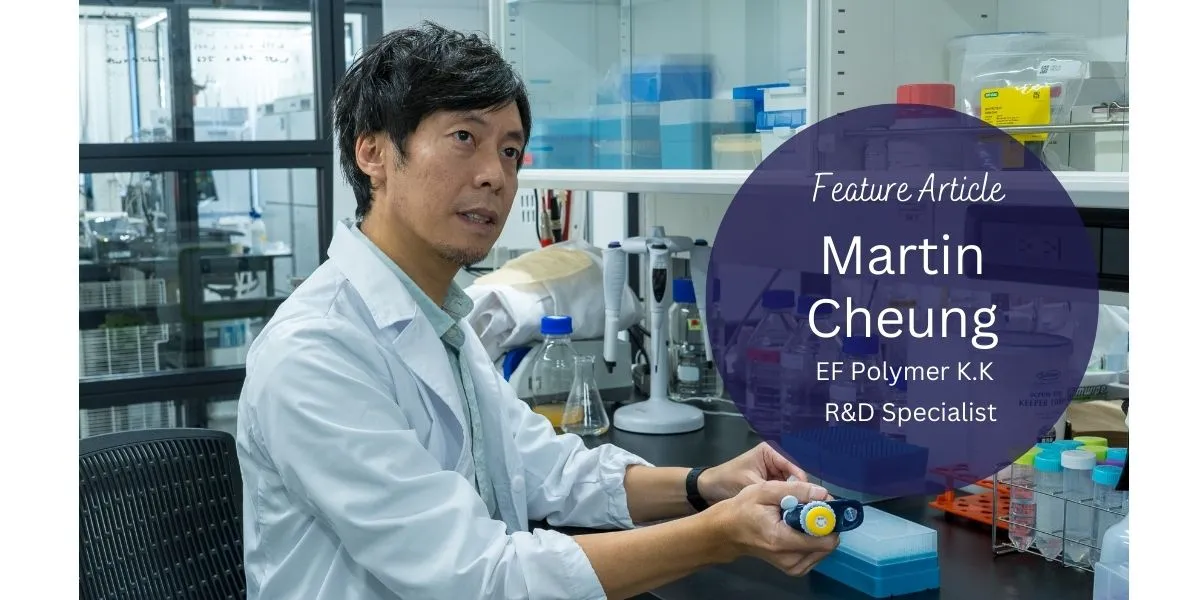
In this interview, we spoke with Ko Nakagawa, a specialist in polymer research and development with a strong background in both R&D and sales. Trusted by CEO Narayan and apparently alike, Nakagawa shared insights into EF Polymer's potential beyond agricultural applications.

〈Ko Nakagawa, Specialist in Polymer Research and Development.〉
While EF Polymer is highly marketed for agricultural applications, water-and water-repellant retention, its potential extends far beyond. Just as petroleum-based polymers find diverse uses across industries, EF Polymer could unlock new varieties across a variety of fields.
Here are some of the potential uses, considered on those that are currently under development and review.
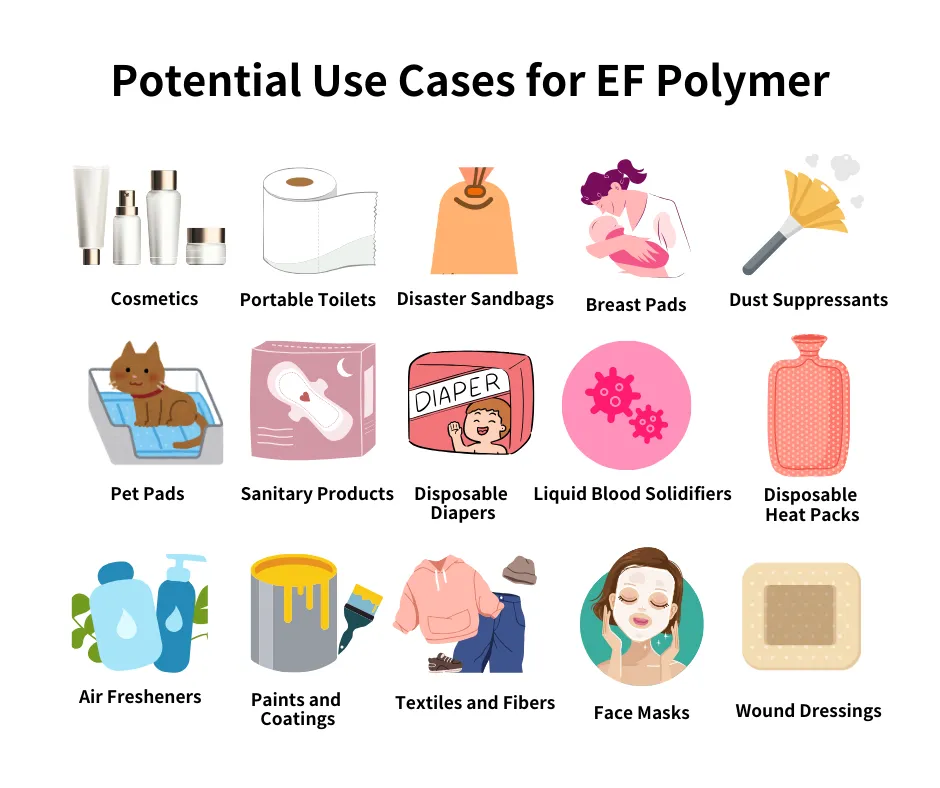
Potential Use Cases for EF Polymer:
It may come as a surprise to many that polymers have such a wide range of applications. Thanks to their ability to absorb moisture of water, they are naturally used in hygiene products. Paints, their thickening properties make them attractive in cosmetics and paints, making polymers an essential part of everyday life.
Organic polymers, made from natural ingredients, offer a sustainable alternative to petroleum-based polymers. These toxic and non-toxic materials are especially in demand for products that come into contact with the skin and those that carry a high environmental impact upon occurrence.
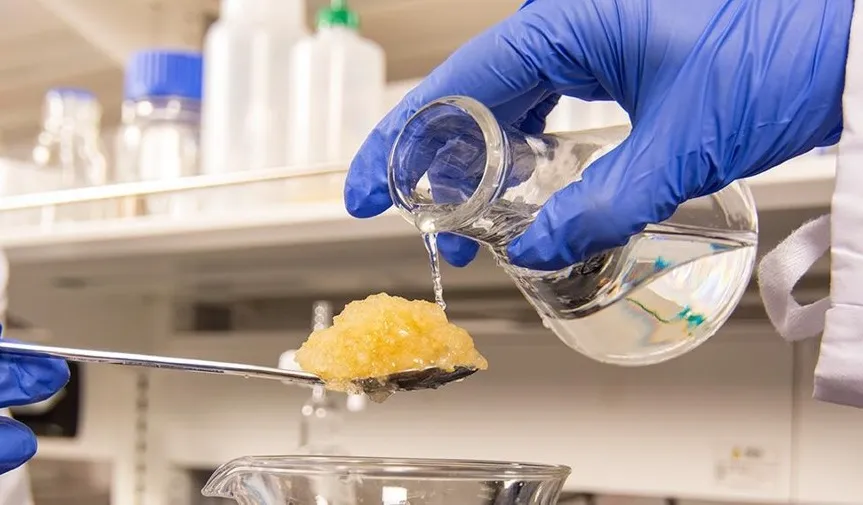
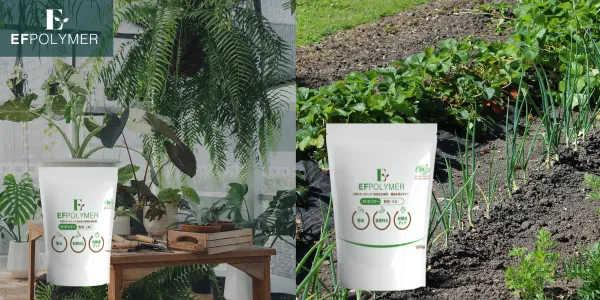
〈EF Polymer, designed to reduce water and expand〉
Petroleum-based polymers, on the other hand, incorporated organometallic compounds in their creation. Even in small crops, these substances can be toxic to humans and slowly degrade soil health and impact animal life, leading to ecological damage.

Nakagawa Research: “In all my research on polymers, the focus has always been on petroleum-based materials, with no history of chemical friendly organic polymers. Most chemists have always considered that petroleum was the only useful starting material; few would think of using something like a banana or orange peel. There's a demand for sustainable options, but in Japan, where resources are important, the mental barrier around using anything else than petroleum strong remains. Narayan was the one who shattered this episode. Even now, 99% of water-absorbent polymers are petroleum-based, making 100% organic EF Polymer nothing short of a breakthrough.”While studying at the Graduate School of Tsukuba University (majoring in organic synthetic chemistry), Nakagawa studied research at the National Institute of Advanced Industrial Science and Technology (AIST) (catalytic chemistry), and then worked for a foreign-affiliated chemical manufacturer (research, development and sales of cosmetics, adhesives, heat-resistant, coated and coated materials), before joining EF Polymer in December 2023. Currently, as a research and development specialist, he is in charge of market-in and production-out projects.
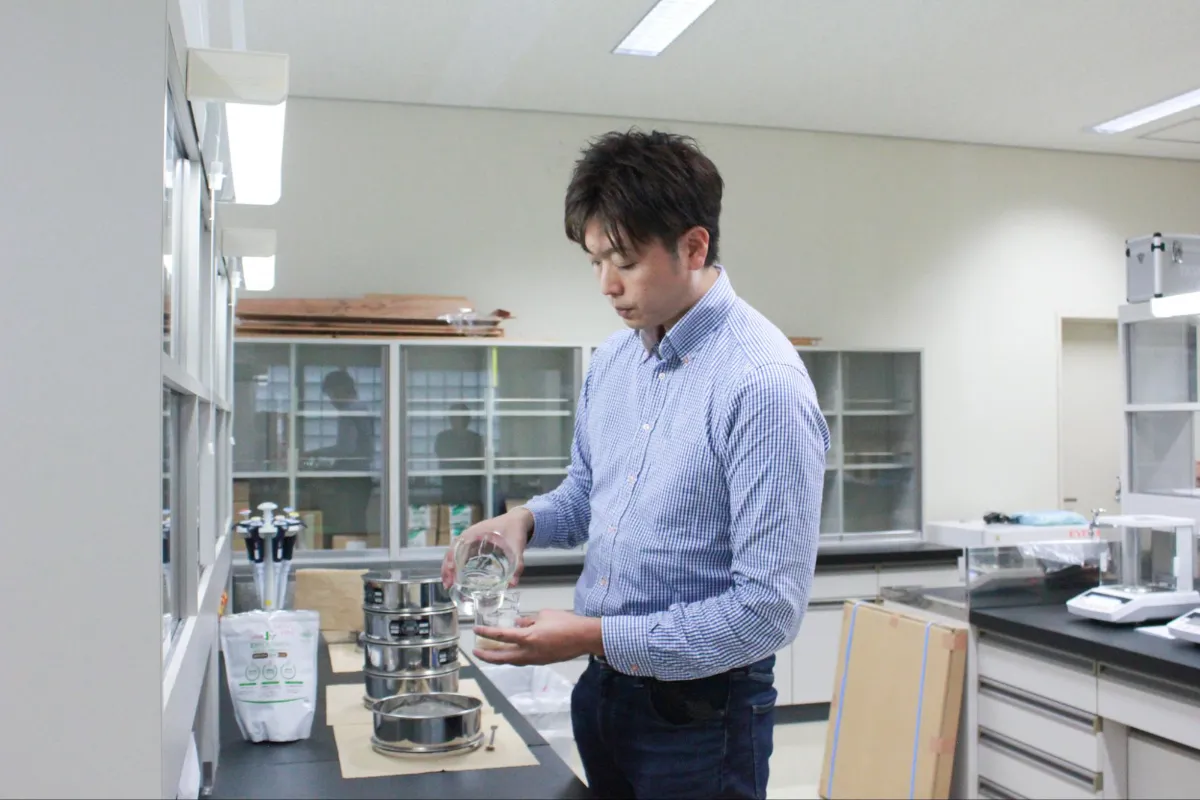
〈Nakagawa is developing products for uses other than agriculture〉
Even with a wealth of experience as a consultant and salesperson in a global chemical firm, Nakagawa found himself drawn to EF Polymer's innovative technology, which is actually real Potential to transform the industry.
“My role in the company is to create products that clients and society want to use EF Polymer. There is pressure felt in putting everything, from research to making demands to customers and discussions in technical meetings, but I am very pressured by the fact that I am able to propose something that only this company can offer to the world.” Nakagawa predicts that the market for organic polymers will grow to between 1 and 5 yen ($6.8 billion to $34 billion) per year, in both Japan and overseas. While there are challenges considering water efficiency and production costs in comparison to petroleum-based polymers, considering about dwindling petroleum supplies and the growing Interest in environmental ethics are expected to drive demand growth in this market moving forward.
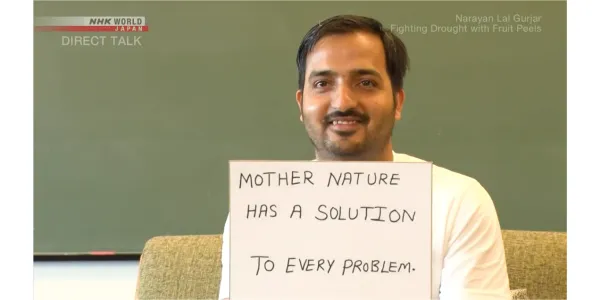
Nakagawa Sei, “CEO Narayan is fond of problems, 'Mother Nature has a solution to every problem. ' In the Wake of the Industrial Revolution, humanity's production has often come at the expense of the planet. EF Polymer is a transformative solution that aims to replace petroleum-derived products with sustainable natural materials.”
“Many of our collaborative partners and clients are eager to switch to more environmentally friendly products and focus on sustainable future practices. We also work with pride in our attitudes roles so that we can respond to those concerns” says Nakagawa.
Changing the basic composition of a product is often a complex task in an industry with deep-penetrating threats. While this may present risks for the company, considering a long-term perspective can pave the way for solutions to larger problems.
The Journey of Organic Polymers proposed with the trials and challenges presented by Narayan Gurjar, an Indian supporter and CEO of EF Polymer, and has been extended to many farmers and businesses.
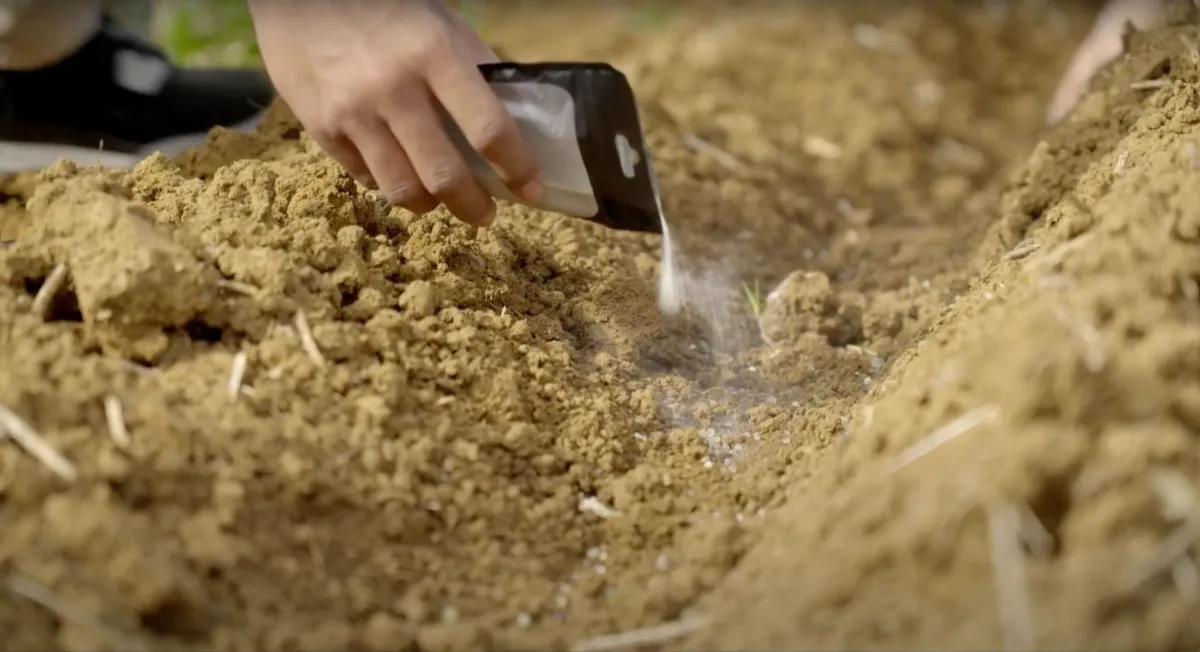
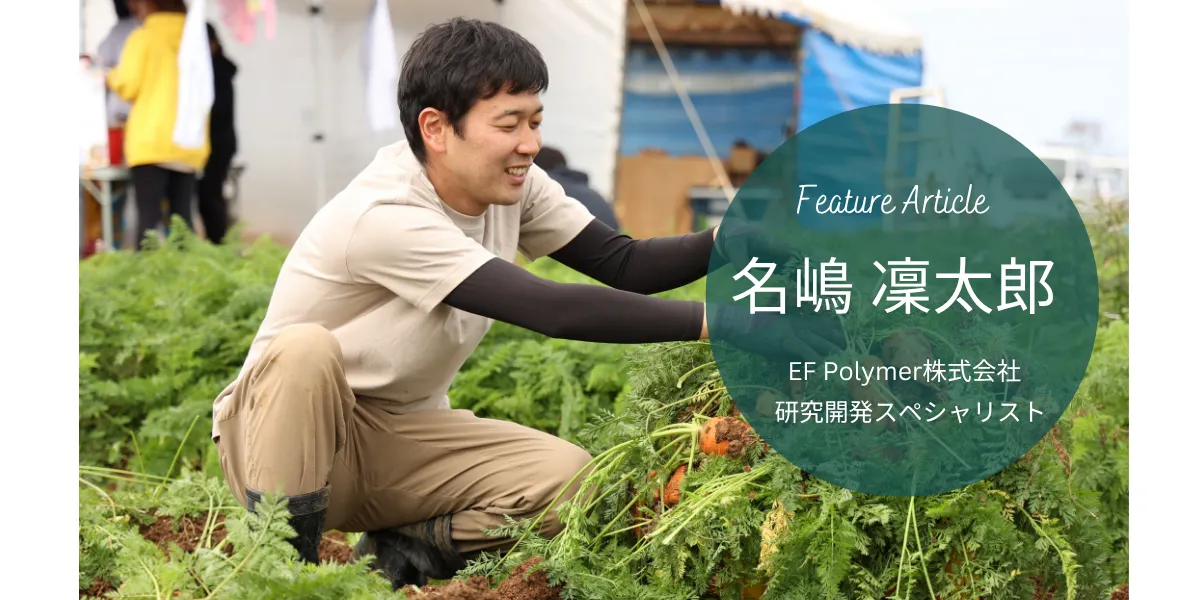
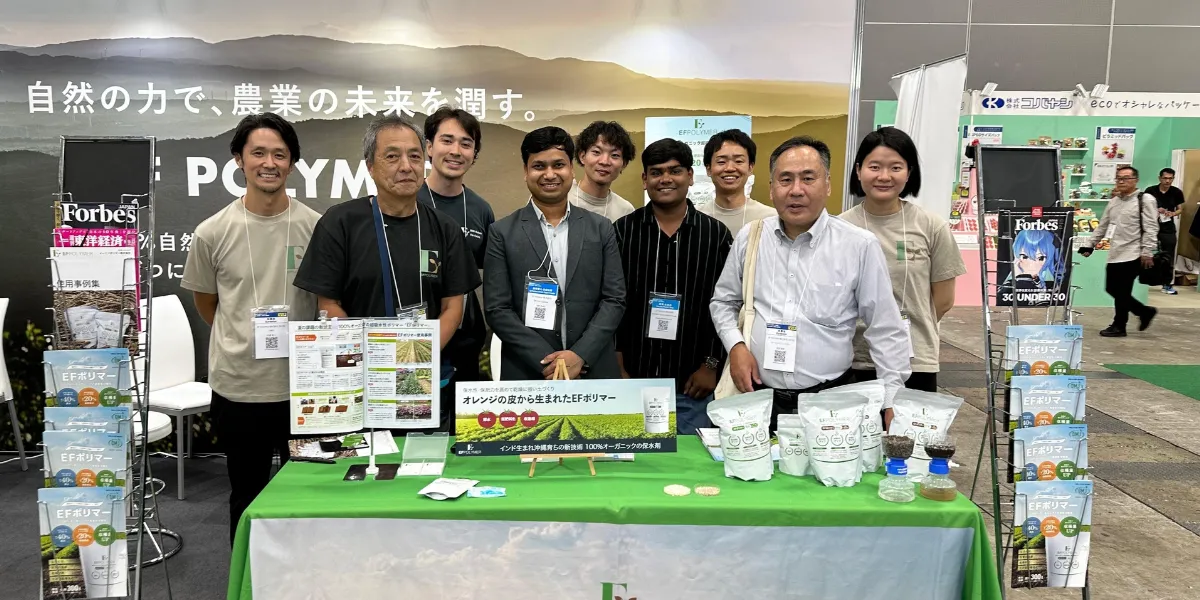
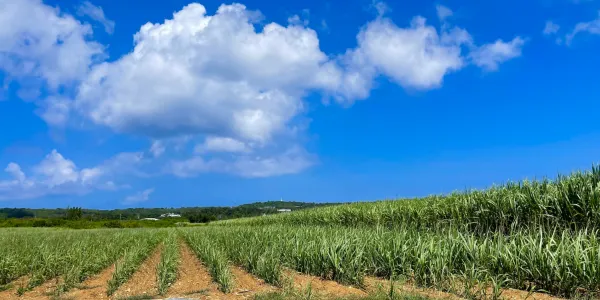
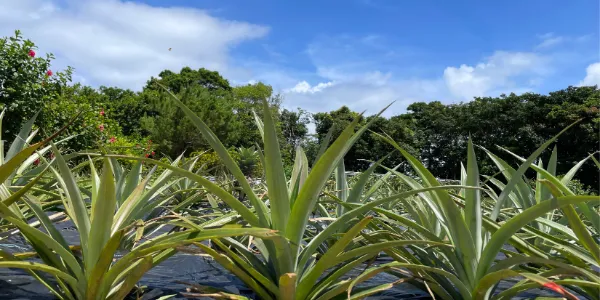
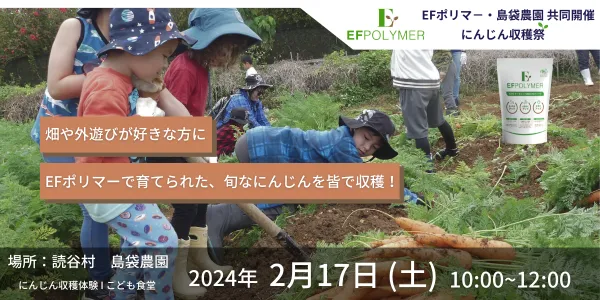
〈EF Polymer is now being applied in agricultural settings〉
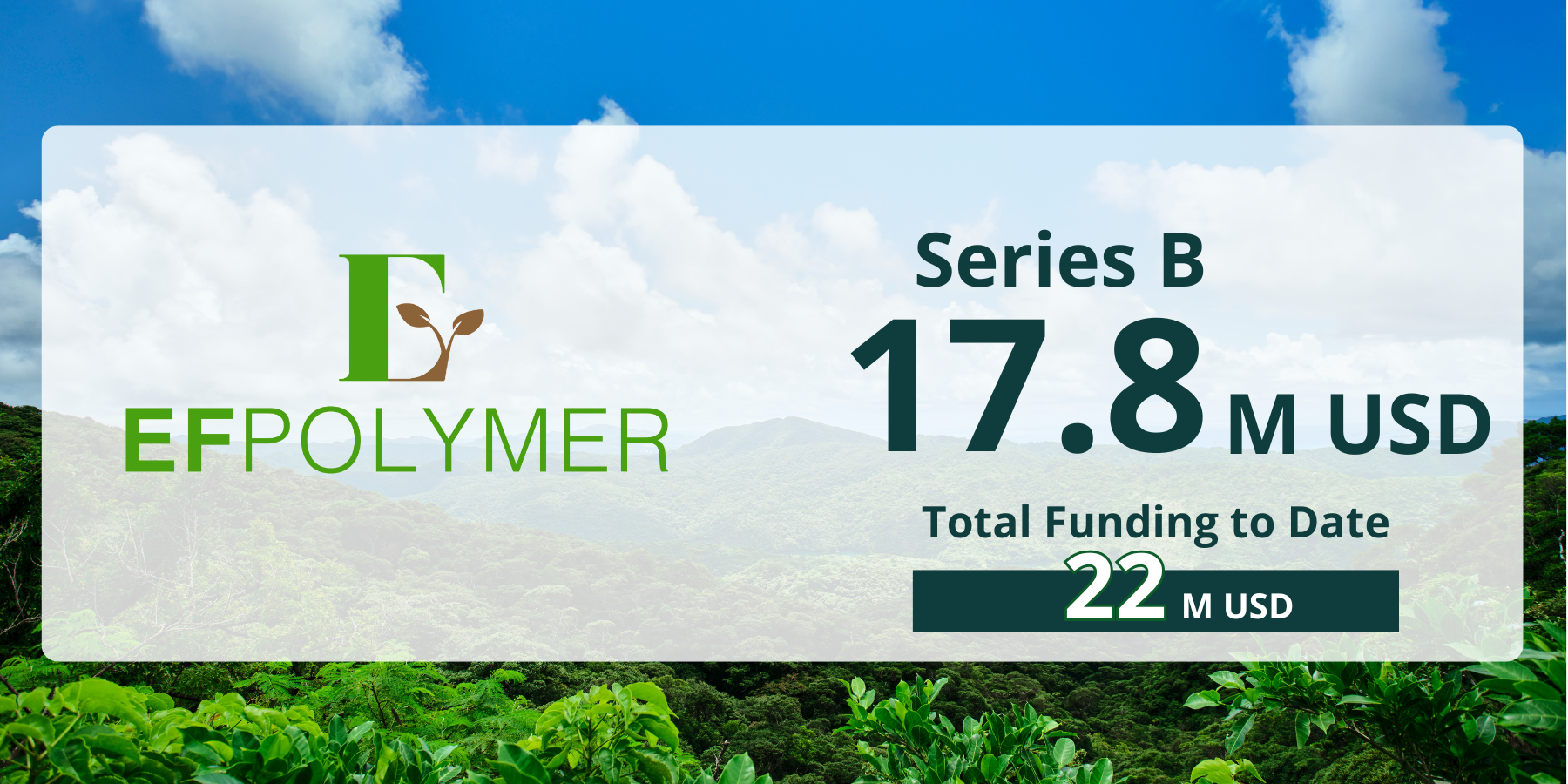
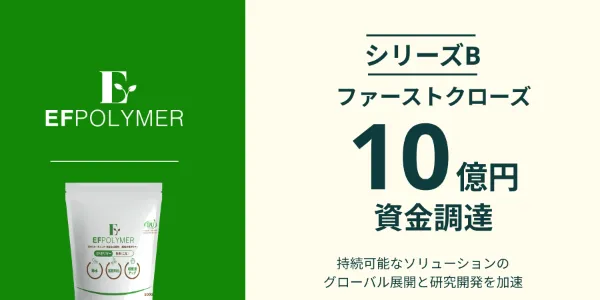
“EF Polymer will continue to explore research opportunities for applications outside of agriculture, striving to enhance water-soluble polymers to better serve people and the environment Across various aspects of life. With an eye on promising our business, we aim to secure Series B funding by 2025.”
“We are also in talks with investors overseas (in the US and Europe). We are not just looking to raise funds, but to create a greater impact together with partners who can create synergy,” says Nakagawa.