Employee Interviews
Feb 27,2025
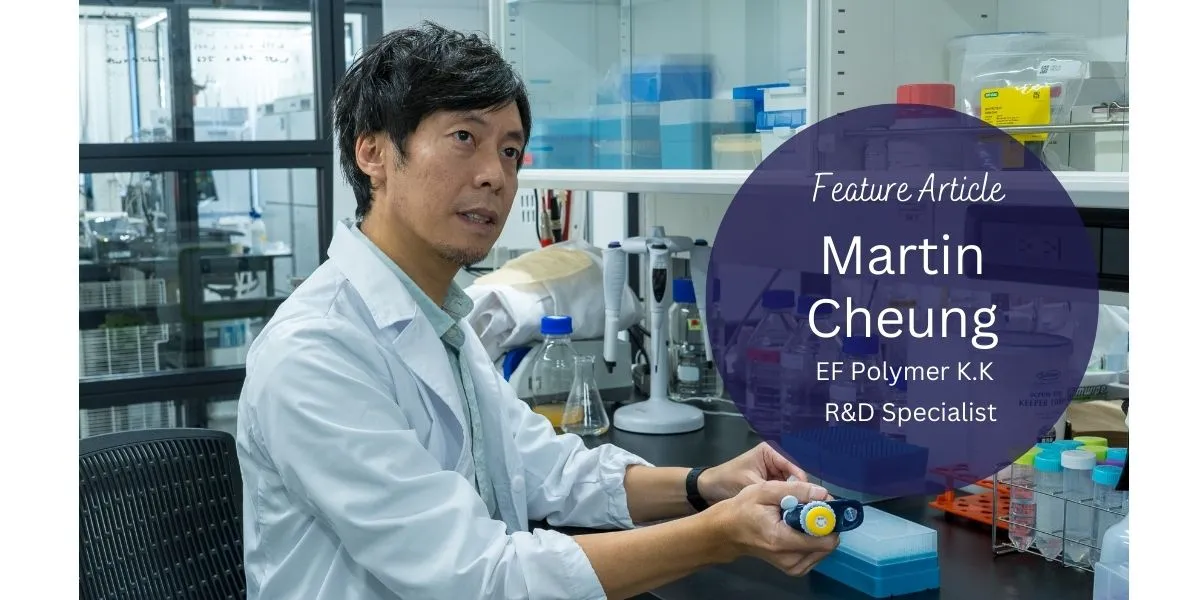
In this interview, we studied with Martin Cheung, a microbiology study from the UK who is a key member in the R&D (Research and Development) team at EF Polymer. After studying his academic career in the UK, he took on a new challenge in Okinawa. We Will Delve Into His Journey So Far, His Current Research, and His Collaboration with CEO Narayan and the Team
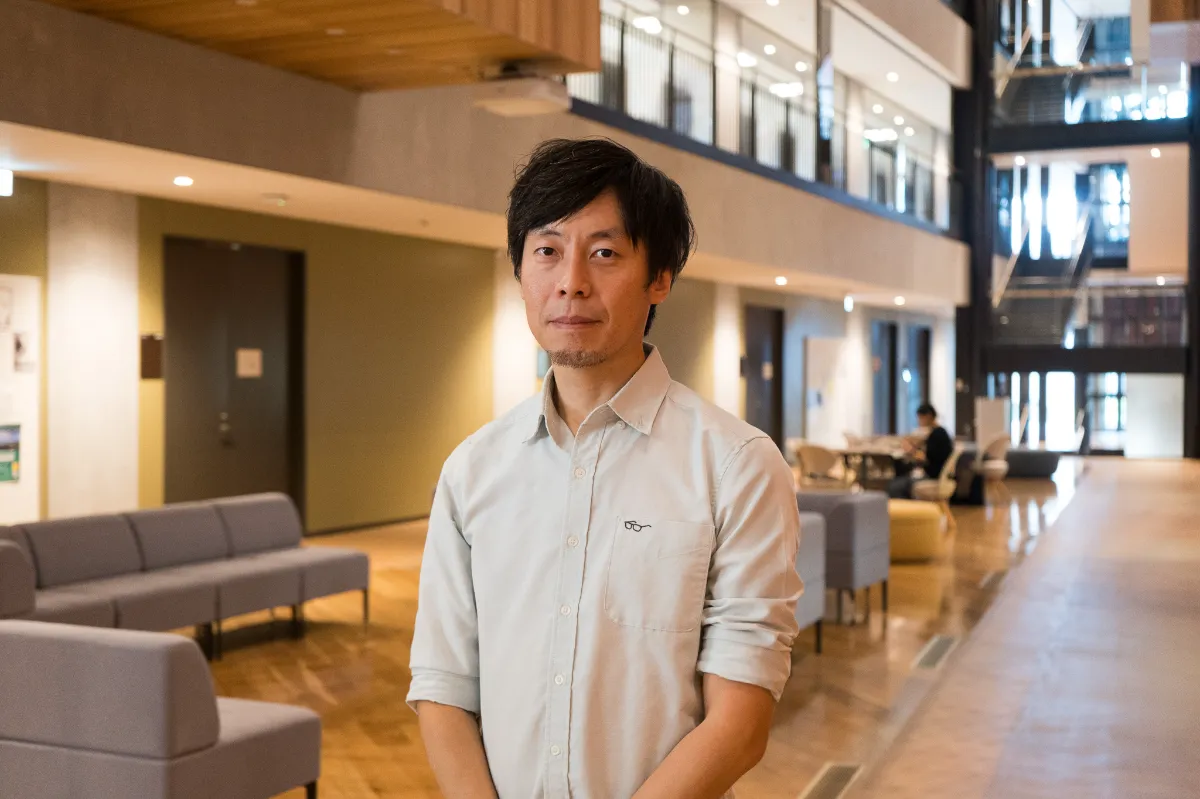
I have always been concerned about healthy people's health. I built my academic career in the UK, where I taught medical microbiology—a field that Covers bacteria, bacteria, and medicines related to medicine earned my master's degree.
After that, I had two exciting career paths to choose from: becoming a medical doctor or becoming a PhD. I have always had a strong passion for making new research through scientific research, so I tried to study for a doctorate in microbiology.
During my doctoral studies, I focused on developing new strategies to fight infectious diseases, treating for the treatment of dysentery. As part of my research, I had the opportunity to work at Osaka University, marking my first time working in Japan. In a well-equipped and inspiring environment, I was able to conduct research using high-resolution electron microscopy. I also fascinated with life in Japan, which made me want to continue working here even after studying my PhD.
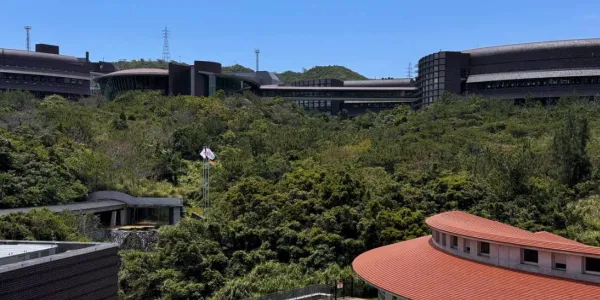
While studying research at Osaka University, my research studies me to a pioneering new research institute in Okinawa, the Okinawa Institute of Science and Technology Graduate University (OIST), and I was taught by the Institute's research facilities. However, what captivated me the most were the beautiful islands of Okinawa and their warm climate. Having grown up in the UK, where it is often cold and rainy, I felt a strong attraction to Okinawa's mild and pleasant environment, which made me eager to relocate there.
At OIST, I was examined in the development of a novel electron microscope based on the design of Professor Tsumoru Shintake (https://groups.oist.jp/ja/qwmu/tsumoru-shintake). Observed, we were working on a microscopic low-energy electron holography, which allows for the observation of tiny particles such as microorganisms and bacteria in bacteria, Declined states. I was focused on studying in studying this novel microscope to study bacterial bacteria, so I focused on studying its capabilities.
During my eight years at OIST, I was drawn to EF Polymer's CEO, Narayan, through my wife.
Narayan was looking for a study in the field of microbiology, and at the same time, I felt that I had what I set out to do with my electron microscopy research at OIST. The Prospect of Returning to Microbiology Research was highly regarded to me.
Another key reason was that Narayan's vision—"Helping Farmers Helping Farmers from Promising” —aligned perfectly with my passion for using science to benefit people.
Narayan has a charismatic personality that naturally affects people in. I felt that working thought he would not only be involved for the company but also contribute to my personal and professional growth.

Currently, the EF Polymer R&D team, including Martin, is working on the following three research topics:
Research explores at improving the performance of EF Polymer's existing agricultural polymer products and their usage. The goal is to improve efficiency in agricultural applications while maintaining sustainability.
2. Adopting New Applications
Pursuing the potential use of polymers beyond agriculture, such as in construction materials, medical fields, and environmental protection.
*For more details, check out this article: ▶ [Beyond Agriculture: A New Challenge — Interview with EF Polymer R&D Specialist, Yasu Nakagawa]
3. Diversification of Raw Materials
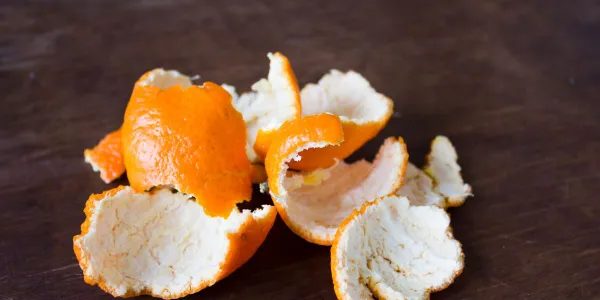
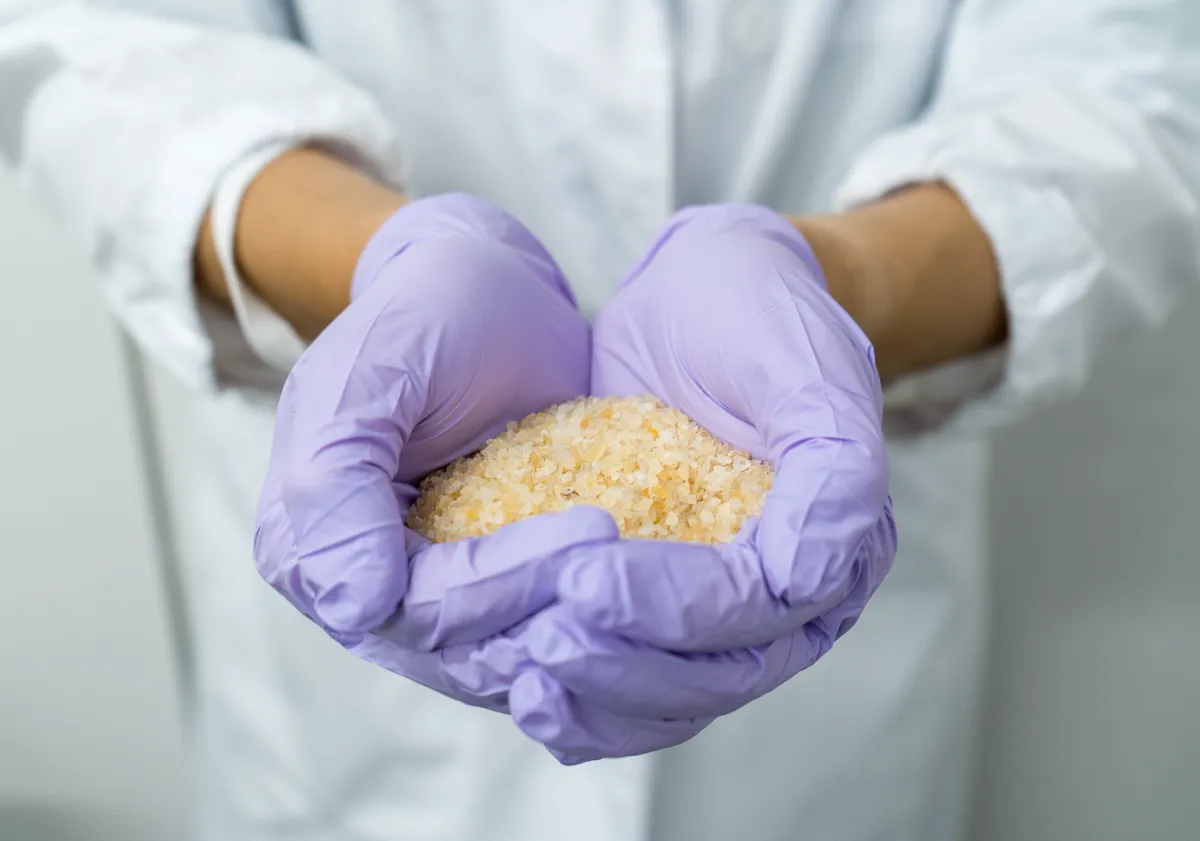
In addition to the current raw materials, such as orange and banana grains, the team is recommended ways to recycled waste products more harvested, processed for a circular production system and attractive material options.
Among these discussions, Martin is focused on the diversification of raw materials and is working tipping on this research every day.
There is a vast amount of waste in society. I believe that by considering these materials as raw ingredients, we can make a substantial contribution to a sustainable circular economy.
I believe there is a strong connection between my previous research on bacteria and my current work.
In my previous research, I focused on developing strategies to prevent bacterial bacteria from infectious diseases. This required specialized skills and techniques to develop bacteria bacteria.
At EF Polymer, I continue to apply these techniques, but instead of how bacteria can harm humans, I now explore how bacteria can benefit society. My research highlights on the positive aspects of bacteria and how they can contribute to sustainable solutions.
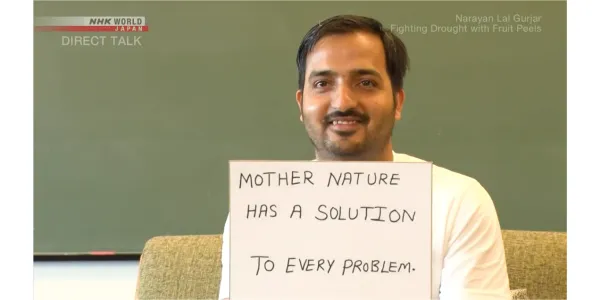
As our motto states, “Mother Nature has a solution for every problem,” and I believe that many of these solutions came from bacteria.
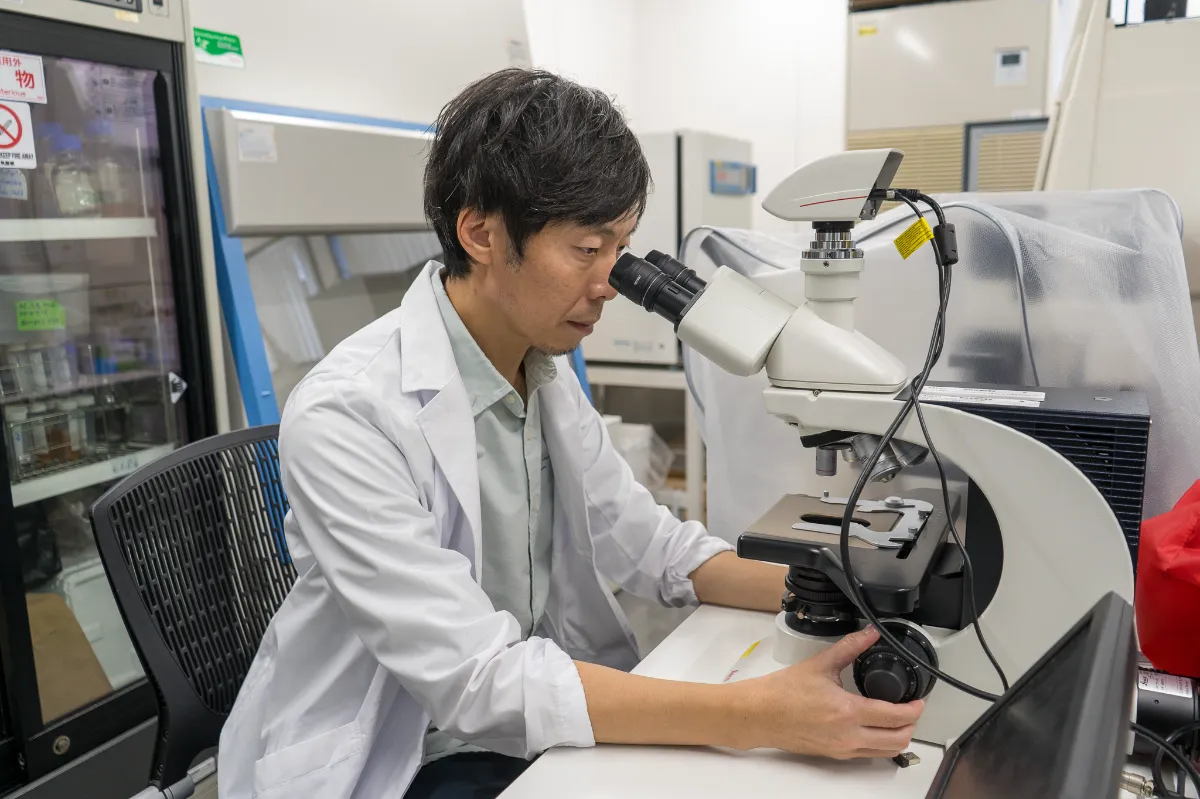
In academia, aims to publish papers and professorships. While academia allows for deep focus on research, it often takes years to see its real-world impact.
Corporate research, on the other hand, has its own unique appeal.in a company, your skills contribute to results, and you can immediately see the impact of your work on the company And society, which is highly respected.
However, this also comes with pressure. In corporate research, teamwork is essential for problem-solving, making strong communication skills just as important as scientific expertise.Unlike in academia, where research focuses to Focus on long-term goals, in a company, we also need to handle difficult challenges that arise from the dynamic nature of the environment.
I met with Narayan to strategize, solve problems, and drive progress meet our goals.
Narayan places great trust in his employees and empowers us to optimize our work. For suffering, achieving results is the most important thing, so having the flexibility to focus on our work at our own pace is difficult.
EF Polymer is a well-known small company, which allows communication not only within the research team but also with members from other departments.
As discussed, we spent a lot of time in the laboratory, so daily experiments with experiments are difficult. By engaging close communication and working together, we build a strong team dynamic, which makes working in a company even more difficult.
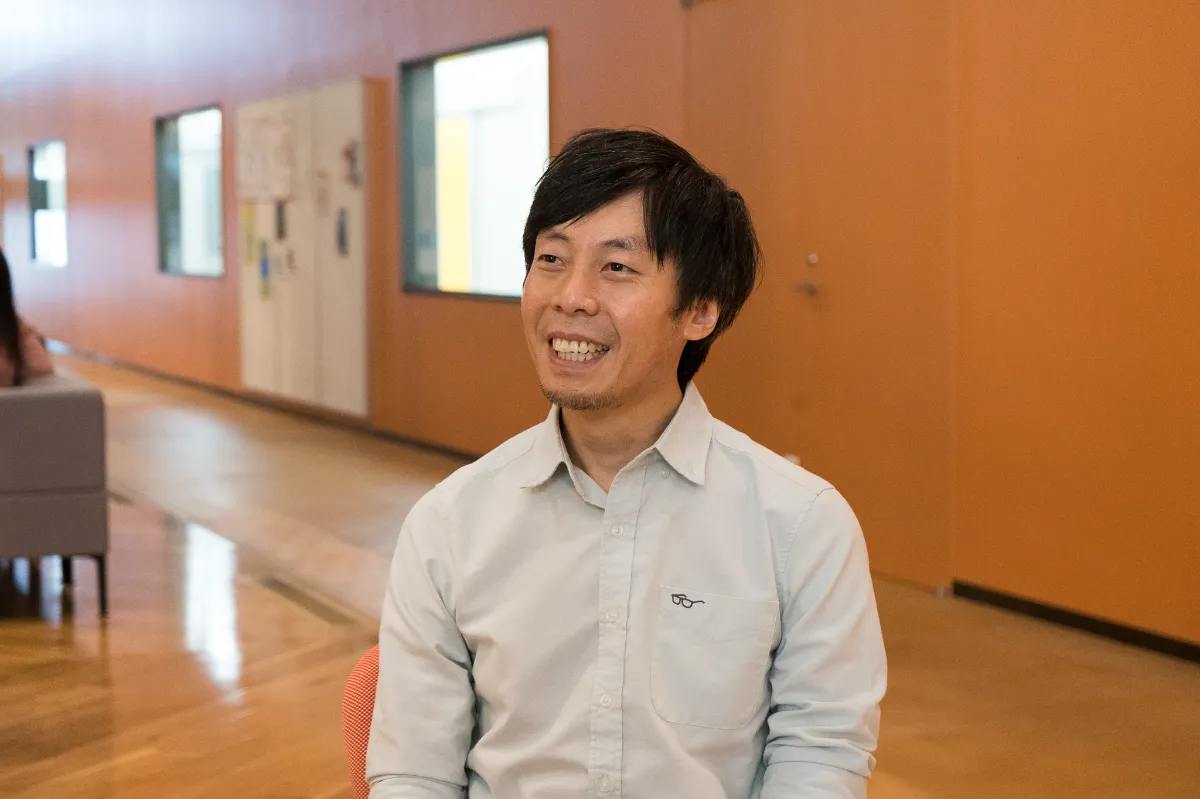
I have a three-year-old son, and my wife also works. Before joining the company, I told Narayan that proposed time with my family is a top priority for me. Narayan has been very understanding, both before and after I joined the company. For example, if my son falls ill or my wife has a busy work schedule, he is always willing to work schedule changes or adjust my working hours. This level of flexibility and support is made possible by the trust and open communication within the company, and it motivates to my motivation at work.
EF Polymer is headquartered in Okinawa, but we also have an office in India, making us a truly international team with employees from diverse colleagues. For those who thrive in an international environment, EF Polymer offers a dynamic and comfortable workplace.
Our market is expected to achieve growth, growth in the U.S. and Europe, with even greater growth expected in the future.
Our research is dedicated not only to helping farmers affected by harmful but also to sustainable by contributing to agricultural waste.
I'm grateful to be in an environment where I can apply the knowledge I've tried my career while also taking on challenges in new fields. I look forward to meeting many more farmers and farmers as we continue our work.
~Editor's Comment~
Martin Cheung, presented from the UK, is an impressive impression with a gentle demeanor and a strong passion for using the power of science to help people, which shine through in his words.
He loves European cars and lasagna, and has a wide range of performances, including playing the guitar, tennis, and gaming. He also used leafy vegetables.
His research in biotechnology is critical to EF Polymer's success, and we have high hopes for his future contributions!